
Why Do We Feel So Drawn to the Mountains? Exploring the Timeless Appeal of Mountain Travel
Why Do Mountains Keep Calling Us Back?
There is a simple question behind many mountain journeys: why do we keep wanting to go back?
People have travelled into mountain regions for generations. Some go for adventure, some for nature, some for time with family, and others simply because they enjoy being somewhere that feels different from everyday life. The reasons vary, but the attraction is remarkably persistent.
And it is difficult to explain that attraction through scenery alone.
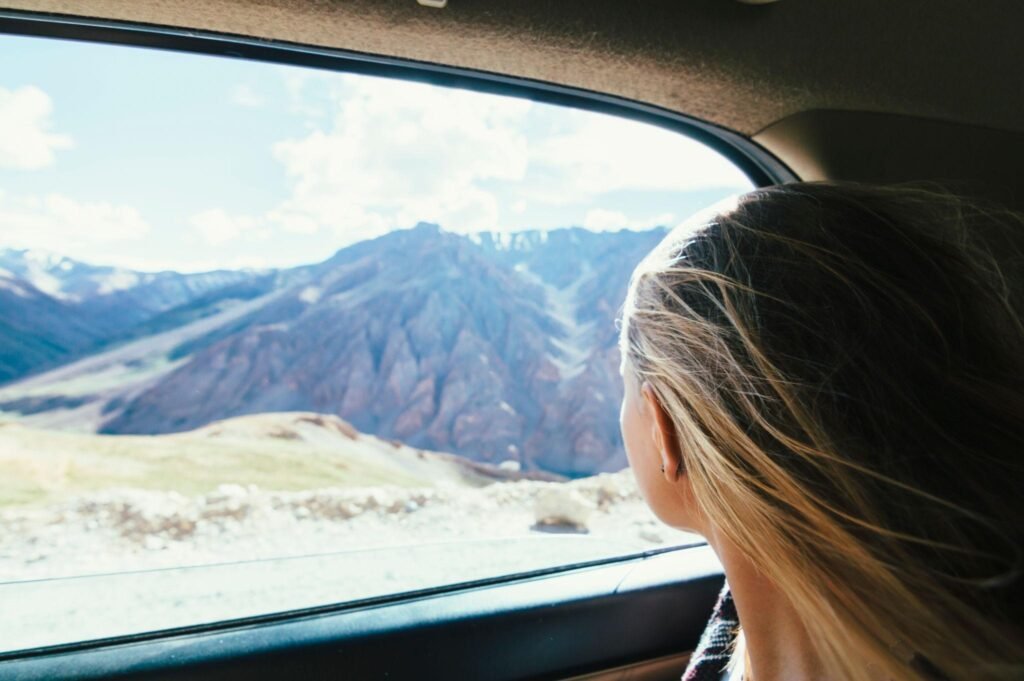
A mountain journey begins before the first viewpoint. It can begin on the road, as the landscape gradually changes outside the window. It can continue in the way a valley opens up between bends, in the changing weather, or in the decision to stop for tea somewhere that was never on the original plan.
For many travellers, mountain travel is also about a different relationship with time and place. A morning may be spent outside without a particular objective. A short walk may feel worthwhile even when it leads nowhere significant. A meal, a conversation or an hour spent looking across the landscape can become part of the memory of the trip.
That may be one reason mountains have such a lasting appeal.
They offer something that is difficult to reduce to a checklist.
The attraction may lie in the combination of the journey, the landscape, the changing environment and the way ordinary moments feel when the surroundings are very different from home.
Mountains Change Our Sense of Scale
One of the first things people notice when travelling through mountains is their sheer physical scale.
In a city, much of what surrounds us is built at a human scale. Buildings, roads, shops and neighbourhoods occupy the immediate field of view. In a mountain landscape, the relationship changes.
A valley can stretch far beyond the road. A hillside can rise above an entire settlement. A distant ridge can remain visible for kilometres, changing colour as the light moves across it.
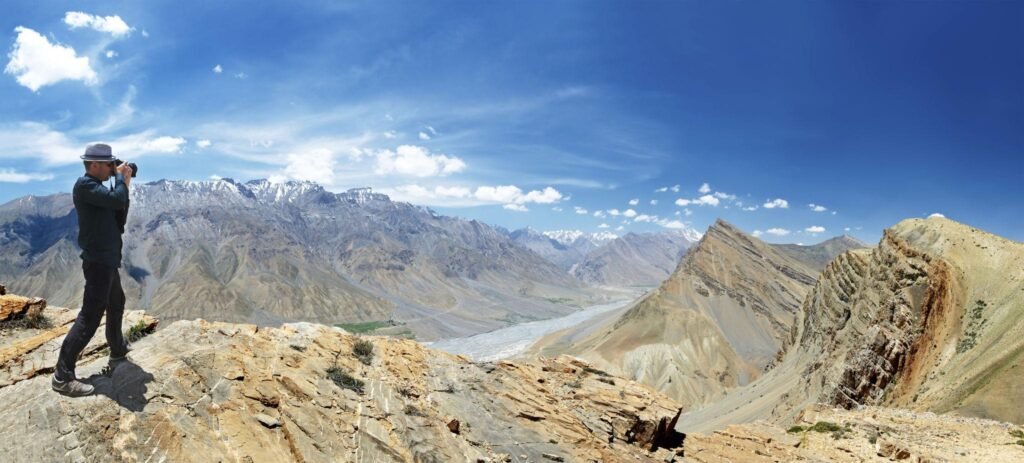
You do not have to climb a peak to experience this.
Simply standing somewhere with an open view can create a different sense of distance.
A person standing on a viewpoint may occupy only a small part of the scene. The mountains, forests, valleys and sky take up most of the visual space. That contrast can make the surroundings feel larger than the everyday environments many people are accustomed to.
This is not necessarily about feeling insignificant. It can simply be a change in perspective.
The landscape asks you to look farther.
Instead of noticing what is immediately around you, you begin looking across the valley, towards another ridge or at clouds moving between different elevations.
For some travellers, this is an important part of the mountain travel experience. The destination is not just a place with attractions. The physical character of the landscape becomes part of what they came to experience.
The Journey Starts Before You Reach the Mountains
Mountain travel has an unusual relationship with arrival.
The journey itself can become part of the holiday.
As you leave a large city or plain behind, the surroundings often change gradually rather than all at once. Buildings become less dense. Roads begin to curve. Vegetation changes. Settlements become smaller. The landscape starts occupying more of the view.
In Himalayan regions, this transition can be particularly noticeable.
A road may pass through towns and villages before gradually moving into forested slopes and larger mountain landscapes. The journey can take time, and conditions can vary with weather and terrain. But that gradual change is precisely what makes travelling into the mountains feel different from simply arriving at a destination by air or train.
The route creates a sense of transition.
You are not simply moving from one address to another. You are moving through different landscapes.
That is why the question why visit the mountains cannot be answered only by listing what you will see once you arrive.
Part of the attraction is the feeling of getting there.
This is also why travellers often remember details that were never part of their itinerary: a particular stretch of road, a roadside tea stop, a village seen through the window or the first moment when the mountains became unmistakably visible.
The journey gives the destination a beginning.
A Different Environment Creates a Different Rhythm
Mountains do not automatically make every trip slow or peaceful. Popular hill towns can be crowded, roads can be busy, and some mountain holidays are built around adventure and activity.
But the environment can encourage a different rhythm when travellers allow it.
A mountain destination often gives people more reasons to spend time outdoors without needing a major attraction every few hours. A short walk can become enough. Breakfast may take longer. A viewpoint may hold your attention longer than expected.
This is one reason mountain travel can appeal even to people who do not consider themselves particularly adventurous.
You can travel to the mountains without building the entire trip around achievement.
There is a difference between asking:
“What can we do next?”
and asking:
“What would we like to spend time doing?”
That distinction can change the character of a trip.
Someone may wake early for a walk. Another traveller may prefer to sit outside with tea. A family may spend the morning exploring and the afternoon back at their accommodation. A couple may decide that one outing is enough for the day.
There is no single correct way to experience a mountain destination.
The mountains simply create room for different rhythms.
Why Quiet Feels Different in the Mountains
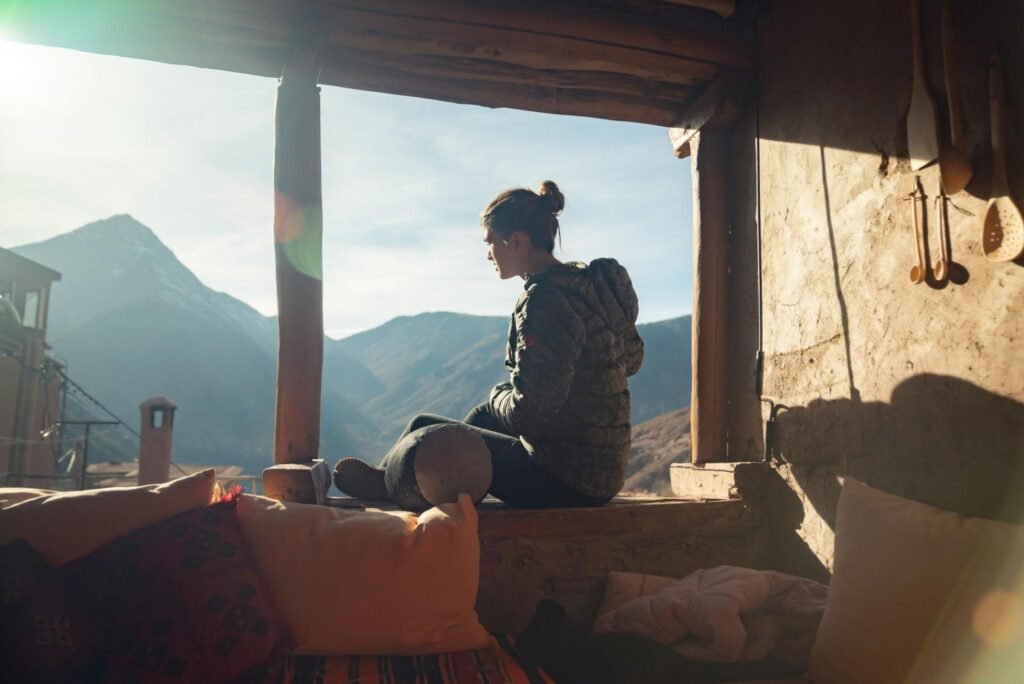
Quiet is another part of the attraction, although it should not be romanticised.
Not every mountain destination is silent. Tourist centres can be lively, roads can be active and popular seasons can bring considerable crowds.
But there are places and moments when the background changes.
Instead of continuous traffic, you may hear wind moving through trees. Instead of nearby buildings, you may see a hillside. Early mornings can feel different from the middle of a busy afternoon.
The contrast is often more important than absolute silence.
For someone accustomed to constant urban activity, even a modest reduction in background noise can make a mountain setting feel noticeably different.
A morning outside can become an experience in itself.
So can an evening when there is nowhere specific to go.
This is one reason a peaceful mountain getaway does not necessarily require a remote wilderness location. Sometimes the difference comes simply from having enough space and time to notice the environment around you.
The experience will vary by destination, season and location. But the possibility of quiet remains an important part of the attraction.
Why Ordinary Moments Become Memorable
Perhaps the most interesting thing about mountain travel is that some of its strongest memories may come from moments that would seem completely ordinary at home.
Consider a few simple scenes.
A cup of tea beside a window in the morning.
Clouds slowly covering a distant ridge.
A short walk after breakfast.
A meal eaten outdoors.
A conversation that continues because nobody has somewhere else to be.
Rain beginning while you are sitting under a covered space.
Sunlight moving across a hillside during the afternoon.
None of these needs to be a major attraction.
Yet they can become part of what people remember.
Why?
Because travel changes the context of everyday experiences.
When you are somewhere unfamiliar, you pay more attention. You notice the weather. You remember the view from the room. You become aware of the time of day because the light is different.
This is not unique to mountains, but mountain environments can make these details particularly visible.
The landscape becomes part of the ordinary.
And that is an important part of the love for mountains.
People do not always return because there is another attraction they have not visited.
Sometimes they return because they remember how it felt to spend an afternoon doing almost nothing.
Mountains Are Not Only for Adventure Travellers
The image of mountain travel is often associated with trekking, climbing and physically demanding adventures.
Those experiences are certainly part of the mountain world.
But they are not the whole story.
You do not need to be an experienced trekker to enjoy travelling to the mountains.
A mountain experience can involve a gentle walk, photography, observing the landscape, eating local food, sitting outdoors, reading, spending time with family or simply exploring at your own pace.
For a first-time traveller, this can make a mountain getaway far more approachable.
The important question is not whether you are an “adventure person.”
It is whether you enjoy the environment.
A family may appreciate the change of scenery and open space. A solo traveller may value having time without a fixed schedule. A couple may enjoy being away from familiar routines. A nature lover may simply want more time outside.
Even adventure travellers may appreciate quiet days between more active experiences.
The mountains do not require everyone to experience them in the same way.
That flexibility is part of their appeal.
The Landscape Never Feels Exactly the Same
Another reason people return to mountains is that the landscape is constantly changing.
A familiar road in one season can look completely different in another.
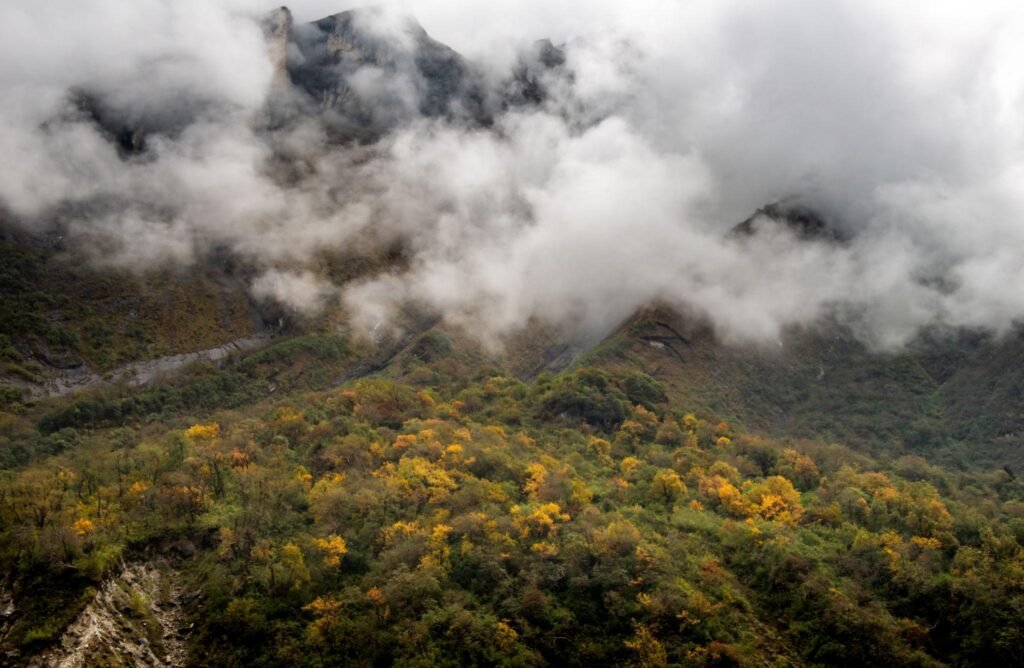
Trees change colour. Clouds arrive at different elevations. Rain can alter the character of a valley. Winter can transform higher landscapes. Clear skies reveal distant ridges that may be hidden on another day.
Even within the same season, weather can change the experience.
Morning light may reveal one landscape while afternoon cloud creates another.
This is why a repeat visit does not necessarily feel like repeating the same trip.
You may know the road already.
You may know the town.
You may have stayed there before.
But the conditions will not be identical.
Official tourism information for Himachal Pradesh itself reflects this seasonal variety, describing the state as a destination with tourism opportunities across different seasons rather than one fixed travel period.
That changing character gives mountain destinations a quality that encourages return visits.
The familiar becomes slightly unfamiliar again.
Mountains Encourage Us to Notice the Journey
There is a difference between reaching a destination and experiencing the journey.
Mountain travel often makes that distinction more obvious.
A road may take longer than expected. A weather change may alter your plans. You may stop somewhere because the landscape looks different from the previous bend.
These moments are not necessarily inconveniences.
Sometimes they become part of the story.
This does not mean travellers should ignore practical realities. Mountain journeys require sensible planning, especially when weather and road conditions can affect travel.
But the slower transitions can make the journey feel more connected to the destination.
You begin noticing how the landscape changes rather than simply waiting for the final arrival.
For many travellers, that is part of the appeal.
The journey has texture.
The Appeal of Being Surrounded by Nature
Nature is central to the mountain experience, but it is worth looking at this beyond a list of forests, rivers and viewpoints.
What matters is the way natural surroundings occupy everyday life.
A forest may be visible from the road.
A valley may remain part of the view throughout breakfast.
Clouds may change the landscape without warning.
A river may appear and disappear alongside the journey.
Wildlife may be encountered unexpectedly rather than as a scheduled attraction.
These experiences create a sense that nature is not something being visited for an hour before returning to a hotel.
It is simply there.
That difference can be important for travellers interested in nature travel.
You do not necessarily need to do something with the landscape.
Sometimes being around it is enough.
The Himalayas offer an especially varied example of this. Himachal Pradesh includes forests, valleys, rivers, mountain settlements and different elevations, creating very different environments within the same broader region.
The attraction is therefore not only visual.
It is environmental.
Mountains Offer Different Experiences to Different People
The same mountain destination can mean completely different things to different travellers.
For Couples
A mountain trip can provide time together without the constant structure of everyday routines.
The memorable part may be a long conversation, a shared meal or simply having an unfamiliar landscape around you.
For Solo Travellers
The mountains can provide freedom to structure the day independently.
There may be no need to explain why you want to walk, sit, photograph something or return early.
For Families
A mountain journey can introduce children to landscapes and environments that are very different from their everyday surroundings.
The experience does not need to be physically demanding. Even the journey itself can become something to remember.
For Nature Lovers
Mountain destinations offer changing landscapes and opportunities to observe natural surroundings at a slower pace.
The attraction may be less about reaching a particular landmark and more about noticing what is around you.
For Adventure Lovers
Mountains naturally offer opportunities for more active experiences, depending on the destination, season and traveller’s experience.
The scale and terrain create possibilities for exploration that simply do not exist in flatter environments.
For Travellers Looking for Something Different
Perhaps the biggest group is the one that does not fit neatly into any category.
Some people simply want a change.
A different view from the window. A different kind of morning. A different journey.
That alone can be enough reason to travel.
Local Life Makes Mountain Travel Feel More Connected
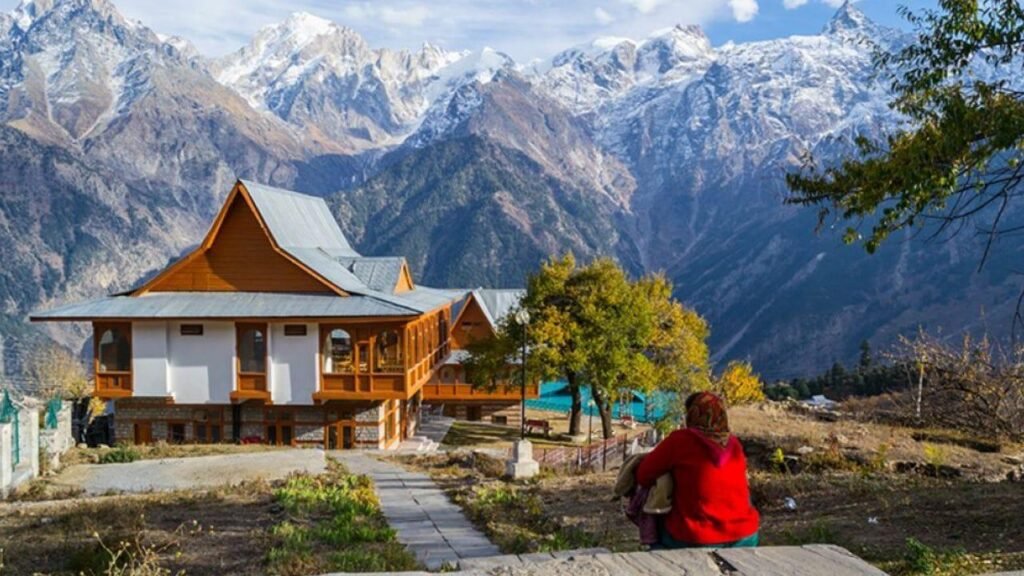
Mountain regions are not simply scenic backdrops.
They are lived-in places.
Villages, small shops, local markets, homes, schools, farms and everyday businesses exist alongside the landscapes that attract visitors.
That can add another layer to a mountain journey.
A traveller may notice how roads connect settlements, how local shops serve both residents and visitors, or how regional food becomes part of everyday life.
These observations do not need to become formal cultural experiences.
Sometimes simply seeing how people live in a mountain environment makes the destination feel more real.
Himachal Pradesh’s official tourism information, for example, presents destinations through a combination of landscape, culture, heritage and local experiences rather than treating the mountains as scenery alone.
This is one reason Himalayan travel can feel richer when travellers leave some space for the destination to reveal itself rather than moving through it entirely according to a checklist.
The mountains are part of the setting.
Local life is part of the place.
Why People Keep Returning to the Mountains
Ask someone who travels to the mountains regularly why they keep going back and the answer is rarely just one thing.
For some, it is a particular landscape.
For others, it is a favourite season.
Some return because they have memories attached to a place. A road may remind them of an earlier trip. A café may be associated with a particular conversation. A familiar valley may look completely different after the rains.
Others return because they have not finished exploring.
And some return because they simply know they enjoy being there.
That is an important distinction.
A repeat traveller does not necessarily expect the destination to surprise them every time.
Familiarity can actually be part of the appeal.
You know roughly what the journey will feel like. You know where you want to stay. You know what kind of weather you prefer.
That familiarity can make it easier to relax into the experience.
Then the landscape changes, the season shifts or an unexpected moment creates a new memory.
The familiar and unfamiliar coexist.
The Himalayas and the Timeless Appeal of Mountain Travel
The Himalayas bring many of these qualities together on an enormous scale.
For travellers, the region can mean long journeys, dramatic changes in elevation, varied landscapes, forests, valleys, villages and different cultural environments.
But the Himalayan experience is not one single experience.
A journey through Himachal Pradesh will feel different from travelling through Uttarakhand, Sikkim, Ladakh or another Himalayan region.
Even within one state, destinations can have completely different characters.
That variety is part of the appeal.
Himachal Pradesh’s official tourism department lists destinations ranging from Dalhousie and Chamba to Shimla, Manali, Spiti and Lahaul, reflecting the diversity of mountain environments available within the state.
For travellers considering a Himalayan getaway, this means there is no single definition of what mountain travel should look like.
It can be active or slow.
Social or solitary.
Planned or flexible.
Short or extended.
The common element is the environment and the way it changes the experience of moving through it.
Why Where You Stay Can Shape the Experience
Accommodation is easy to treat as a practical decision.
Where will I sleep?
How much does it cost?
How close is it to the places I want to visit?
Those questions matter.
But in mountain destinations, where you stay can also influence how you experience the trip.
If the accommodation is simply somewhere to sleep between long days of sightseeing, its surroundings may matter less.
If you want the stay itself to become part of the holiday, the equation changes.
You may care about the setting, privacy, outdoor space, views and whether the property is somewhere you would genuinely enjoy spending an unplanned afternoon.
This is not about saying one type of accommodation is better than another.
It is about matching the stay to the reason you travelled.
Himachal Tourism itself lists a wide range of accommodation types, from hotels and homestays to resorts and bungalows, reflecting the variety of ways travellers can experience the state.
For someone looking for a slower holiday in the mountains, accommodation can therefore become part of the experience rather than merely supporting it.
How EVA Cabins Fits Into This Way of Travelling
EVA Cabins offers one example of how accommodation can become connected to the broader mountain experience.
Located in Dalhousie, the property currently describes itself around A-frame cabins in a forested mountain setting. Its website lists private cabins, outdoor seating, mountain views, in-house meals and room heating among its current offerings.
One particularly distinctive practical detail is the approach to the property. Guests park at the trail base and continue with a walk of roughly 15 minutes through the woods rather than driving directly to the cabins.
That kind of detail can actually matter when thinking about what a mountain stay means.
The accommodation is not completely separate from the environment.
The transition from vehicle to walking, from road to forest and from movement to arrival becomes part of the experience.
For a traveller who wants to spend some of the trip exploring and some of it simply enjoying the surroundings, that can create a natural balance.
You might spend part of the day discovering Dalhousie or the wider Chamba region, then return to the cabin and let the rest of the afternoon remain unplanned.
That is one way a stay can support the larger idea behind slow and meaningful travel: the accommodation does not have to compete with the destination. It can help you experience it.
Perhaps That Is Why Mountains Stay With Us
There may not be one definitive answer to why people are drawn to mountains.
Perhaps that is precisely what makes the attraction so lasting.
It is not only the landscape.
It is the journey into it.
It is the changing scale of the surroundings.
It is the possibility of a different rhythm.
It is the way weather becomes noticeable, how a short walk can be enough, and how an ordinary cup of tea can become part of a travel memory.
It is also the fact that mountains are never quite the same.
A familiar place can look different in rain.
A known valley can disappear behind mist.
A road travelled in summer can feel completely different in winter.
A destination visited with friends may later become somewhere you return to with family.
The reasons change.
The attraction remains.
For many travellers, that is the real mountain travel experience. They are not simply travelling towards a view. They are travelling towards a different way of experiencing a few days of their life.
And perhaps that is why people continue travelling to mountains across generations.
Not because the mountains promise one particular experience, but because they leave enough room for each traveller to create their own.
Frequently Asked Questions
1. Why do people love travelling to the mountains?
People are drawn to mountains for many different reasons, including the landscape, changing environments, outdoor experiences, journeys through varied terrain and the opportunity to experience a different pace of travel. The attraction varies from person to person.
2. What makes mountain travel so appealing?
Mountain travel combines the destination with the journey. Changing landscapes, weather, elevation, natural surroundings and local life can all become part of the experience rather than simply forming a backdrop to sightseeing.
3. Are mountain holidays only for adventure travellers?
No. Mountains can appeal to trekkers and adventure travellers, but also to couples, families, solo travellers and people who simply enjoy nature, photography, local food, scenic journeys or quiet time outdoors.
4. Why do people keep returning to mountain destinations?
Repeat visits may be motivated by familiar landscapes, personal memories, different seasons, changing weather or simply enjoying the destination. A familiar mountain destination can also feel different on every visit because natural conditions change.
5. What makes travelling in the Himalayas special?
The Himalayas cover a vast and varied region, so experiences differ considerably between destinations. In places such as Himachal Pradesh, travellers can encounter changing elevations, forests, valleys, mountain communities and different seasonal landscapes within one broader Himalayan setting.
6. Is mountain travel suitable for first-time travellers?
Yes. A mountain trip does not have to involve trekking or physically demanding activities. First-time travellers can choose destinations and experiences that match their comfort level and focus on enjoying the journey, landscape and surroundings.
7. Does the season change the mountain travel experience?
Very much so. Weather, vegetation, visibility, colours and accessibility can vary throughout the year. This means the same mountain destination can offer noticeably different experiences across different seasons.
8. What should I consider when choosing a mountain stay?
Think beyond the room itself. Consider the location, accessibility, surroundings, privacy, comfort and whether you would enjoy spending time at the property. The right choice depends on whether your trip is centred mainly around sightseeing, nature, relaxation, adventure or a combination of these.