
The Difference Between Visiting the Mountains and Actually Experiencing Them
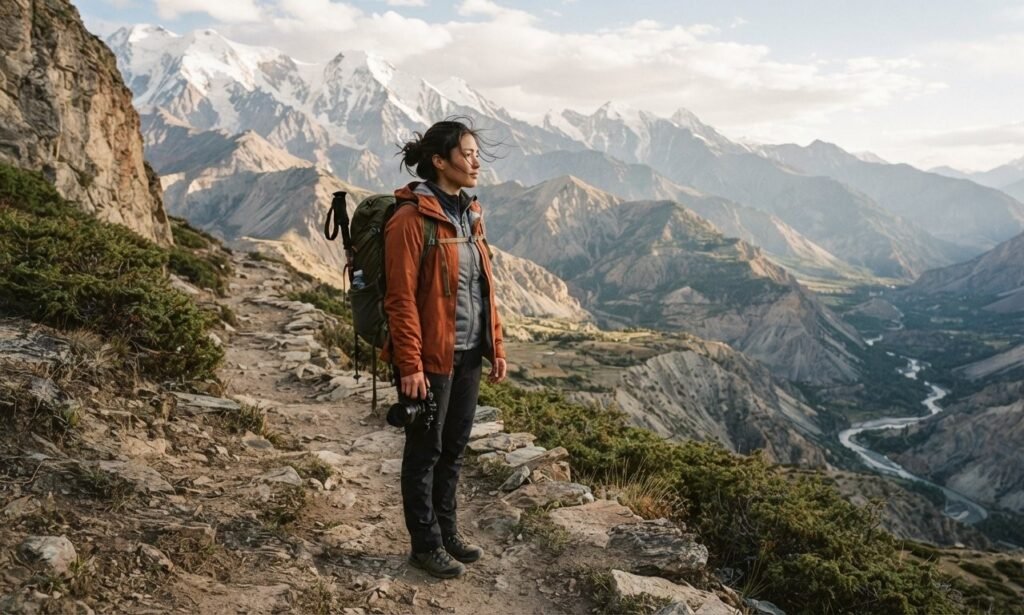
A mountain trip can look successful on paper. You may visit the famous attractions, stop at popular viewpoints, try recommended restaurants, take plenty of photographs and return home with a full itinerary completed.
And yet, sometimes, that still feels different from truly knowing a place.
That difference sits at the heart of a meaningful mountain travel experience. Seeing a destination and experiencing it are not always the same thing. One traveller may spend two days visiting ten well-known locations, while another spends the same amount of time exploring fewer places but becomes familiar with the changing weather, local surroundings, food, roads and everyday rhythm of the destination.
Neither approach is automatically better.
Some people genuinely enjoy busy itineraries and want to see as much as possible. Others prefer to spend longer in one place and let the trip develop more naturally. Most travellers probably fall somewhere between the two.
The difference is not really about how slowly you travel or how many attractions you visit. It is about whether there is enough space in your journey to engage with the destination beyond simply arriving, looking and moving on.
When people talk about experiencing the mountains, they are often describing those parts of travel that do not always fit neatly into an itinerary: the changing landscape during a journey, an ordinary meal in a new place, a conversation, unexpected weather, a familiar walking route or simply noticing how a destination feels at different times of day.
A mountain destination can offer famous places worth seeing. But the experience of travelling there is usually shaped by much more than those places alone.
You Can Visit a Place Without Really Knowing It
Imagine returning from a mountain destination and being able to say that you visited every major attraction on your list. You saw the famous viewpoints, took photographs and followed the itinerary you planned before leaving home.
That is certainly one way to travel, and for someone with limited time, a well-organised itinerary can be extremely useful.
But completing an itinerary does not always mean that a traveller has experienced much of the destination beyond its most recognisable locations.
A place is also shaped by what happens outside the major attractions. There are the roads between destinations, the weather that changes unexpectedly, the morning activity around a neighbourhood, the food people eat, the sounds you notice and the small routines that gradually become familiar when you spend time somewhere.
This is where the idea of a mountain travel experience becomes broader than sightseeing.
You might visit fewer places but understand more about the rhythm of where you are. Or you might see many attractions while also finding time to notice what happens between them. Travel does not have to fit into one category.
The important distinction is simple: visiting is often about where you go, while experiencing can also involve how you spend your time once you get there.
When Mountain Travel Becomes a Checklist
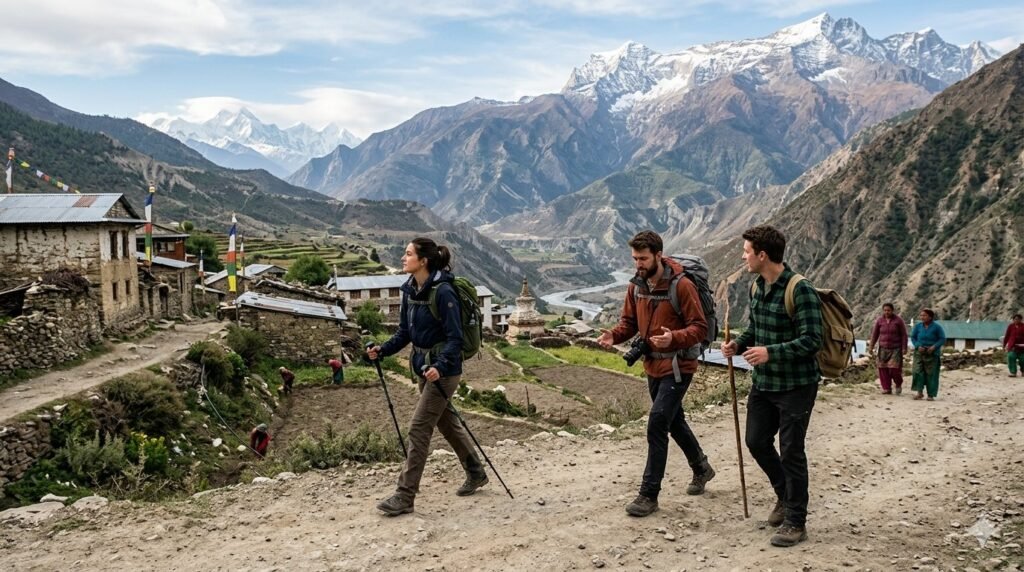
Modern travel planning makes it very easy to build a trip around lists.
Search online for almost any destination and you will quickly find recommendations for:
- Top attractions
- Famous viewpoints
- Popular restaurants
- Places trending on social media
- Things you must not miss
- Short itineraries for limited trips
There is nothing wrong with this approach. Lists help travellers organise limited time and discover places they might otherwise overlook. For a first-time visitor, they can provide a useful introduction to a destination.
The problem can arise when the checklist becomes the entire experience.
A traveller may begin the day thinking mainly about the next location rather than the place they are currently in. Once one attraction is photographed, the focus immediately moves to the next one. Roads become something to get through rather than part of the journey. Meals become quick stops between activities. Even beautiful surroundings can become background scenery.
This does not mean travellers should abandon planning. A good itinerary can make a trip easier and more enjoyable.
But it can help to leave some room around the plan.
Sometimes the most interesting part of travelling in the mountains is not another famous place to add to the list. It may be something that happens while moving between the places already planned.
Experiencing the Mountains Means Paying Attention
A deeper travel experience does not necessarily require an extraordinary activity.
Often, it begins with attention.
Travelling in the mountains involves constantly changing surroundings. Roads rise and fall. Weather can alter visibility. A landscape that looks open in the morning may be partly hidden by clouds later in the day. A quiet area can feel completely different once local activity begins.
Many of these details are easy to miss when every hour of the day has already been assigned to something else.
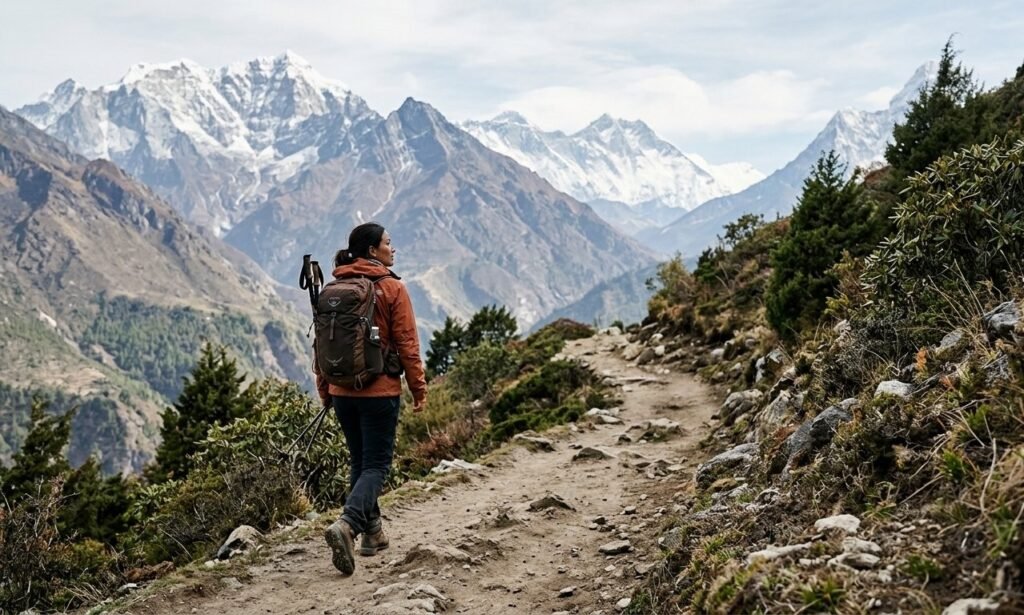
Paying attention might mean noticing:
- How the landscape changes as you travel
- What the weather is doing around you
- The sounds of an ordinary morning
- How people move through a local area
- What changes between morning and evening
- How roads, homes and businesses fit into the terrain
- Small details that never appear in a guidebook
This does not require turning every moment into a lesson about the destination.
Sometimes it simply means being present enough to notice what is already happening.
For many travellers, the mountains become more interesting when they stop expecting every meaningful moment to be marked on a map.
The Famous Attractions Are Only Part of the Story
Famous attractions usually become famous for a reason.
They may offer an important historical experience, an unusual landscape, convenient access or a particularly wide view. There is no reason to avoid them simply because they are popular.
In fact, famous attractions can provide an excellent introduction to a mountain destination.
The point is that they are only one part of the story.
A destination also exists between the attractions.
It exists in the journey towards them, in ordinary streets, in local businesses, in changing weather and in the places travellers pass without stopping.
Someone might remember a well-known attraction and also remember the small roadside meal they had afterwards. A family may enjoy a famous viewpoint but spend just as much time talking about an unexpected stop during the journey. A solo traveller may visit several popular places yet find that a quiet walk near where they are staying becomes the part of the trip they return to repeatedly.
This is one reason meaningful travel experiences cannot always be planned in advance.
The itinerary creates opportunities. But the destination still has its own rhythm.
Why Time Changes the Mountain Travel Experience
Time can change the way a destination is understood.
Arriving somewhere, seeing it briefly and leaving gives one kind of impression. Spending longer in the same surroundings often reveals different details.
You may see the same landscape:
- Early in the morning
- During clearer midday conditions
- Under afternoon shadows
- In changing weather
- At the end of the day
You may walk the same route twice and notice something different the second time.
You may return to a local area after a day or two and begin recognising familiar shops, roads or landmarks. The place slowly becomes less like a collection of new sights and more like an environment you are beginning to understand.
This does not mean that every mountain trip needs to be long. Even a short journey can feel engaging.
The difference is often about how time is used.
A traveller who spends two days constantly moving may experience a destination differently from someone who spends two days combining planned sightseeing with time to observe their surroundings.
Familiarity can add another layer to travel. The mountains are no longer only something you look at from a distance. They become part of the environment through which you are moving.
Some of the Best Experiences Are Not Planned
Travel planning is useful, but mountains are not always predictable.
Weather changes. Journeys take longer than expected. A place you planned to visit may be busier than you imagined, while somewhere you had barely noticed becomes unexpectedly interesting.
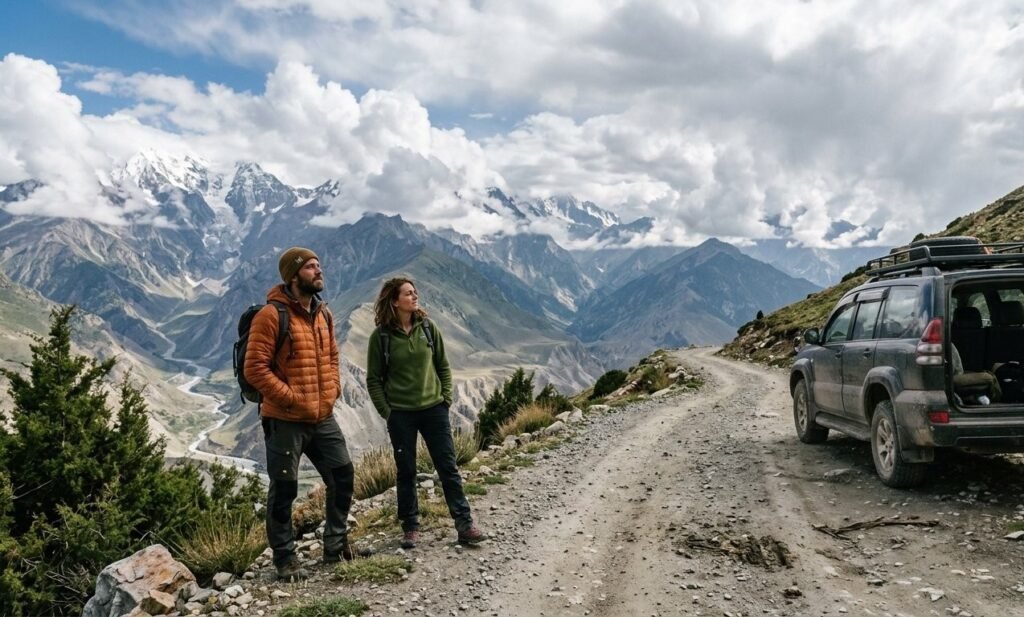
Some unplanned moments might include:
- An unexpected conversation
- Discovering a quiet place while walking
- Stopping somewhere longer than planned
- Watching clouds change the landscape
- Finding a local meal you had not researched
- Taking a different route during a walk
- Changing plans because of the weather
These moments are not automatically better than planned experiences.
A famous attraction can be memorable precisely because you chose to visit it. A carefully organised trip can also create wonderful experiences.
Unplanned moments simply add another dimension.
They remind travellers that a destination is not something that can be completely controlled through an itinerary. Sometimes the most interesting experiences happen because there was enough flexibility to respond to what was already happening around you.
Experiencing the Mountains Beyond the Tourist Map
Guidebooks and travel websites naturally focus on places visitors are likely to seek out.
But a destination is larger than its tourist map.
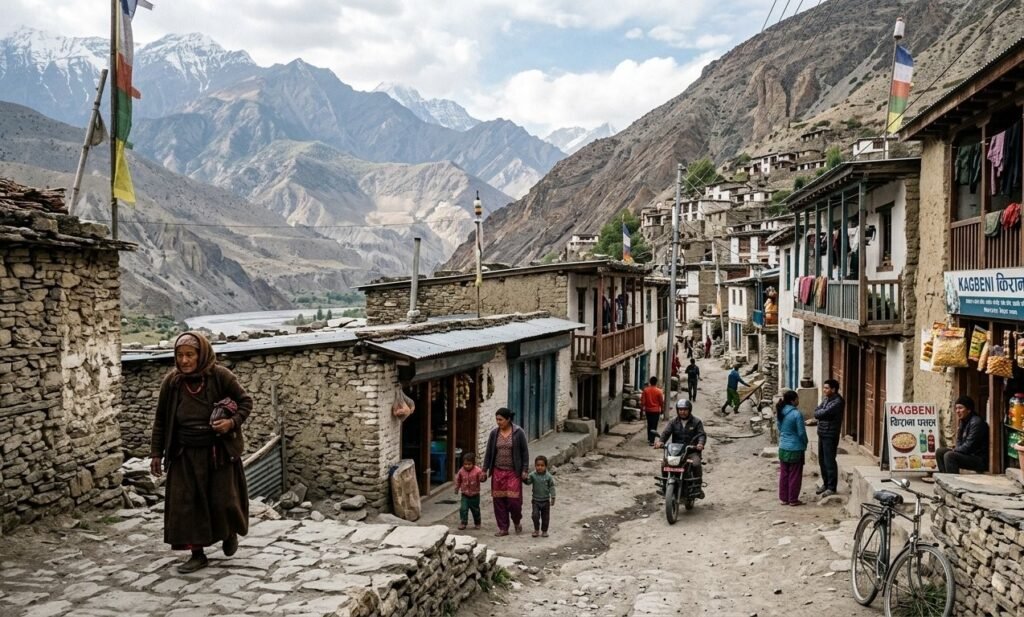
Experiencing the mountains more deeply can involve paying attention to everyday aspects of the place, including:
- Local food and regional flavours
- Everyday businesses
- Community spaces
- Ordinary walking routes
- Local traditions and customs
- The practical rhythm of daily life
This does not mean treating local communities as attractions.
People living in mountain destinations are not part of a performance created for visitors. Travellers should respect privacy, ask permission before photographing people or private spaces and recognise appropriate boundaries.
The goal is not to collect an idea of “authenticity.”
It is to understand that destinations are lived-in places.
Supporting local businesses where appropriate, learning about regional traditions and approaching unfamiliar places with curiosity can help create more meaningful travel experiences without turning everyday life into something to consume.
For travellers interested in Himachal Pradesh, official resources such as Himachal Pradesh Tourism and Incredible India can also provide useful starting points for understanding destinations before travelling.
The Difference Between Taking a Photograph and Being Present
Photography is an important part of travel.
Photographs help people preserve moments, share experiences and remember places after a trip ends. There is no reason to suggest that taking pictures prevents someone from experiencing a destination.
But there can be value in giving yourself a few moments before reaching for the camera.
Looking first can change what you notice.
You might see how clouds are moving across a valley, hear sounds that a photograph cannot capture or notice details outside the frame you initially intended to take.
Then you can still take the photograph.
The difference is not between photography and being present. Both can exist together.
A traveller can photograph a landscape and then spend time looking at it. Someone can capture a family moment and still remain fully engaged with it. The most useful approach is simply not to let the act of documenting become the only way of interacting with a place.
A mountain destination does not disappear once the photograph has been taken. Sometimes staying for another few minutes changes the experience completely.
How the Journey Shapes the Destination
The experience of travelling in the mountains often begins before reaching the place you originally planned to visit.
Terrain changes gradually. Roads move through different elevations. Weather can shift. The surroundings may become more open or more enclosed as the journey continues.
These transitions are part of the overall experience of travelling in the mountains.
It is easy to think of travel as a series of destinations connected by empty space. But in mountain regions, the journey itself can have a strong influence on how a place is experienced.
You begin to understand a destination partly through the way you arrive.
The changing environment provides context. It shows how landscapes connect, how terrain influences movement and how different areas gradually lead into one another.
This does not mean every journey needs to become a sightseeing activity.
Sometimes the journey is simply the journey.
But paying attention to it can make the destination feel less disconnected from everything around it.
Why Where You Stay Can Change How You Experience the Mountains
Accommodation is often treated as the practical part of a trip: somewhere to sleep before the next day’s activities begin.
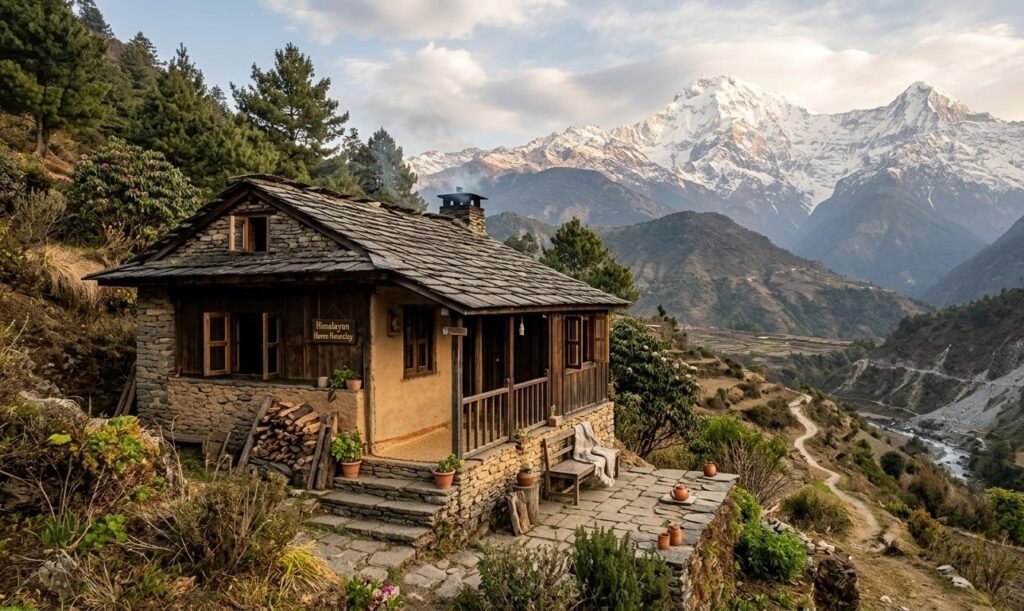
But where you stay can also influence how you experience a destination.
A stay may affect:
- How much time you spend in one area
- What you notice in the morning
- How you experience the evening
- Whether you have opportunities to return to familiar surroundings
- How rushed or settled your trip feels
This does not mean one type of accommodation is right for everyone.
Some travellers prefer to stay close to busy centres because they want easy access to restaurants and attractions. Others may prefer a quieter setting that encourages them to spend more time around their immediate surroundings.
The important point is that accommodation can become part of the overall travel experience rather than simply existing outside it.
When choosing a mountain stay, it can be useful to think beyond practical details alone and consider how the location and atmosphere may influence the way you spend your time.
That is one reason travellers often compare different options, including the difference between a cabin stay vs hotel stay, depending on the kind of trip they want.
A More Meaningful Mountain Travel Experience Is Different for Everyone
There is no universal definition of meaningful travel.
For one person, a meaningful mountain travel experience may involve spending a quiet morning walking alone. For another, it may mean sharing a journey with family. Friends may remember the conversations and unexpected changes to their plans. An adventure-focused traveller may feel most engaged while actively exploring difficult terrain.
Meaningful travel is personal.
A solo traveller, couple, family or group of friends may experience exactly the same destination in completely different ways.
That is why the idea of “experiencing the mountains properly” can be misleading.
There is no single correct method.
Some people genuinely enjoy packed schedules. Others prefer fewer plans. Many travellers combine both approaches.
The value of experiential travel is not that it replaces sightseeing. It simply encourages travellers to think about what else might make a destination meaningful to them.
Experiencing the Mountains With EVA Cabins
For travellers planning time around Dalhousie and the wider Himalayan region, where they stay can influence how connected they feel to the overall journey.
EVA Cabins is part of that broader idea of mountain hospitality: accommodation can be more than the point travellers return to at the end of a busy day. The right kind of stay can become part of how a destination is experienced.
For some travellers, this may mean choosing accommodation that supports a less rushed travel rhythm and gives them time to engage with the surroundings rather than treating the stay as separate from the journey.
The focus does not need to be on doing more.
Sometimes a stronger Himalayan travel experience comes from allowing the destination, the journey and the place where you stay to feel connected.
Travellers planning a trip can explore EVA Cabins as part of their wider search for a mountain stay around Dalhousie that suits the kind of experience they want to create.
How to Move From Visiting to Experiencing
Experiencing a destination more deeply does not require abandoning your itinerary. Small changes can create more space for engagement without making travel unnecessarily complicated.
1. Give Yourself Time
Try not to treat every day as a race between attractions.
You do not need to remove everything from your itinerary, but leaving realistic gaps between plans can make a trip feel more flexible and allow you to spend longer somewhere when it genuinely interests you.
2. Leave Room for Flexibility
Plans can change because of weather, timing or simple curiosity.
Allowing some flexibility does not mean travelling without organisation. It means accepting that the destination may occasionally offer something different from what you expected.
3. Notice What Happens Between Destinations
The journey can also be part of the experience.
Pay attention to changing surroundings, local areas and the gradual transitions between places rather than treating everything between attractions as wasted time.
This is one reason articles such as Best Scenic Drives Around Dalhousie can be useful for travellers who want to think about the journey as part of their wider mountain trip.
4. Explore Beyond the Obvious
Popular places can be worth visiting, but they do not have to be the only places that receive your attention.
Look around the areas you are already spending time in. Walk where appropriate. Notice ordinary surroundings. Be curious about the destination beyond its most photographed locations.
5. Respect Local Places and Communities
Experiencing a destination should never mean crossing boundaries.
Respect private spaces, ask before photographing people and avoid treating local residents as part of the entertainment.
Responsible travel also involves thinking about how visitors interact with the places they enter. How to Travel Responsibly in the Himalayas is a useful perspective for travellers who want to approach mountain destinations thoughtfully.
6. Choose Experiences That Suit Your Travel Style
There is no universal perfect itinerary.
A family holiday may require a different pace from a solo journey. Some travellers want active days, while others prefer a more flexible schedule.
The goal is not to copy someone else’s idea of meaningful travel. It is to understand what kind of experiences matter to you.
Finding the Balance Between Seeing and Experiencing
You do not have to choose between sightseeing and experiencing a destination.
A good mountain trip can include famous attractions, planned activities, photographs and popular restaurants while still leaving room for curiosity and observation.
You can visit a viewpoint and also notice the changing weather around it.
You can follow an itinerary and still allow an unexpected stop to become part of the day.
You can take photographs while also spending time looking without a camera.
The difference often comes down to attention.
When travellers become too focused on completing a list, they can sometimes miss the details that make one destination feel different from another. When there is room to notice those details, the trip often becomes more personal.
That may be one of the clearest differences between simply visiting the mountains and actually experiencing them.
Conclusion: The Mountains Are More Than the Places You Tick Off
A mountain trip is not defined only by how many attractions you visit, how many photographs you take or how many locations you manage to check off a list.
Those things can all be part of an enjoyable journey.
But a mountain travel experience can also be shaped by what you notice, how you spend your time, what happens between plans and the way you engage with the destination around you.
The famous places are worth seeing when they interest you. Planning can make travel easier. Photography can preserve important moments.
Experiencing the mountains simply asks for something more alongside those things: curiosity, flexibility and attention.
Sometimes the most meaningful part of a trip is planned months in advance. Sometimes it happens while walking somewhere ordinary, sharing a meal, watching the weather change or spending longer than expected in one place.
Travellers do not need to abandon sightseeing to experience the mountains more deeply. They simply need to leave room for the destination to offer more than the itinerary originally promised.
For those planning time in and around Dalhousie, choosing a stay that feels connected to the wider journey can also become part of that experience. EVA Cabins offers travellers another way to think about accommodation as part of a broader mountain journey rather than simply the place where each day ends.
Frequently Asked Questions
1. What does it mean to truly experience a mountain destination?
Experiencing a mountain destination usually means engaging with more than its famous attractions. It can involve noticing everyday surroundings, spending meaningful time in one place, trying local food, observing changing weather and remaining open to unexpected moments.
2. What is the difference between visiting and experiencing the mountains?
Visiting often focuses on where you go and what you see, while experiencing may also involve how you spend your time, what you notice and how you engage with the destination. Both approaches can be part of the same trip.
3. How can travellers have a more meaningful mountain travel experience?
Travellers can leave some flexibility in their plans, pay attention to what happens between destinations, spend meaningful time in places that interest them and approach local communities respectfully.
4. Do you need a long trip to properly experience the mountains?
No. A short trip can still feel meaningful. The length of a journey is only one factor. Even limited time can include observation, curiosity and experiences beyond a strict sightseeing checklist.
5. Are famous tourist attractions still worth visiting?
Yes. Many famous attractions are popular because they offer something genuinely interesting or important. Experiencing a destination more deeply does not mean avoiding popular places.
6. How does accommodation affect the travel experience?
Where you stay can influence how you spend your mornings and evenings, how much time you spend in one area and how connected you feel to your surroundings. Different travellers may prefer different types of accommodation depending on their travel style.
7. Why are unplanned moments important during travel?
Unplanned moments can add flexibility and variety to a journey. An unexpected conversation, changing weather or an interesting place discovered along the way can become part of the travel experience even when it was not included in the original itinerary.
8. Is slow travel the only way to experience a destination?
No. Slow travel is one approach, but there is no single correct way to travel. A packed itinerary can still include meaningful experiences when travellers remain curious and engaged with their surroundings.