
What Makes a Mountain Holiday Different From an Ordinary Vacation?
There is a difference between going somewhere with mountains and actually having a mountain holiday.
The distinction is easy to miss. A destination may have impressive views, cool weather and a few scenic places to visit, but that alone does not define the experience. A mountain holiday changes more than the backdrop of a trip. It can change how you travel, how you spend your days, how much time you spend outdoors and even what you consider worth doing while you are away.
On a conventional vacation, the destination often revolves around a list of places and activities. You might move from one attraction to another, fit meals between plans and try to make the most of every available hour.
Mountain travel can work differently.
The journey may take longer. The weather may influence your plans. A short walk may be enough for an afternoon. Sitting outside with a cup of tea may become something you genuinely look forward to. Your accommodation may become part of the experience rather than simply a place to return to at night.
This is what makes a mountain holiday distinctive.
It is not necessarily about doing more. In many cases, it is about experiencing the destination differently.
The Journey Becomes Part of the Holiday
One of the first differences you notice on a mountain trip is that getting there can feel like part of the experience.
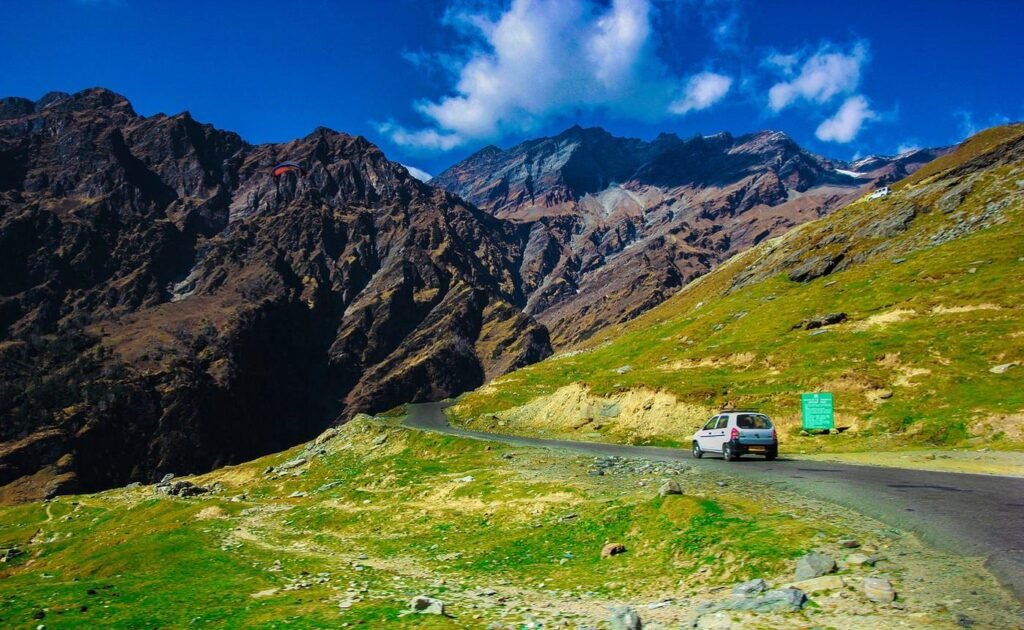
Mountain destinations are rarely approached in a perfectly straight line. Roads curve around slopes, landscapes change gradually and settlements become smaller as you move away from larger towns and cities. The transition itself can be noticeable.
You may begin your journey surrounded by traffic, shops and familiar urban sights. A few hours later, the landscape may have changed considerably. Buildings become less frequent, vegetation changes and views begin to open between the bends in the road.
That gradual transition gives the journey a different character.
On many holidays, travelling is simply the part you have to get through before the vacation begins. In the mountains, the journey can feel more connected to the destination.
This does not mean every mountain road is scenic or that every journey will be easy. Travel can take longer than expected, and road conditions and weather can influence plans. The point is that the route itself becomes part of your sense of arriving somewhere different.
For travellers heading into Himachal Pradesh, the change can be especially noticeable as urban surroundings give way to valleys, forests, villages and mountain roads. The state’s official tourism information also highlights its varied terrain and extensive road connectivity.
Instead of thinking only about reaching the destination, you begin noticing the transition.
And that changes the rhythm of the holiday from the very beginning.
The Landscape Changes How You Spend Your Time
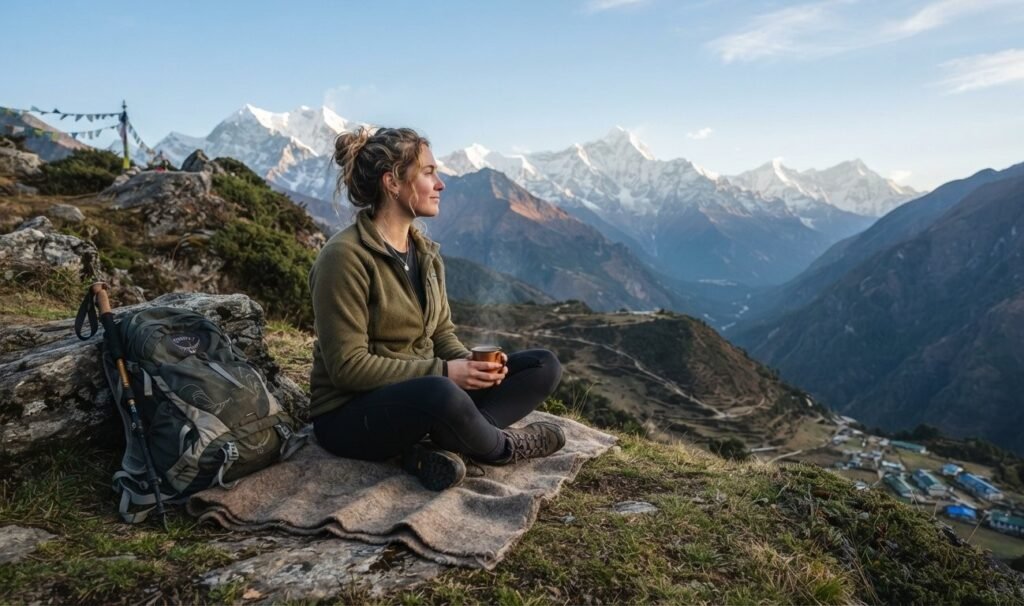
Mountains naturally invite a different relationship with time.
There may be places worth visiting, but the landscape itself can become something you spend time experiencing rather than simply passing through.
A morning might involve a short walk rather than a packed sightseeing schedule. An afternoon could be spent reading outdoors, taking photographs, having a long conversation or simply sitting somewhere with a view.
None of these activities would necessarily make a conventional holiday itinerary.
Yet they can become some of the most memorable parts of a mountain getaway.
This is one reason a holiday in the mountains can feel different even when you have not done anything particularly adventurous.
The surroundings encourage you to look around.
You notice how the light changes across a slope. You hear sounds that are easy to miss in a busy town. You may find yourself spending longer over a meal because there is no immediate reason to leave.
The mountain environment becomes an active part of the experience.
You do less in the traditional sense, but you may notice more.
Mountain Holidays Often Have a Different Pace
The pace of a mountain holiday is influenced by things that travellers cannot completely control.
Terrain matters. Distances that look short on a map can take longer to cover. Weather can change plans. Roads may require more patience. Some places simply work better when you do not try to squeeze too much into one day.
This naturally creates a slower rhythm.
That does not mean every mountain vacation has to be a slow-travel holiday. Some travellers will still want adventure, exploration and full days outdoors.
But even an active trip often has a different rhythm from a city break.
There is usually more awareness of the surroundings between activities.
This is also why trying to treat a mountain destination like a checklist can sometimes miss the point. If every hour is spent thinking about the next stop, it becomes harder to appreciate where you actually are.
A mountain holiday can reward flexibility.
You might originally plan to spend an afternoon exploring, only to find yourself enjoying the place where you are staying and deciding to stay a little longer.
That is not necessarily wasted time.
Sometimes it is the holiday.
The Weather Becomes Part of the Experience
Weather is another factor that can make mountain travel feel different.
Mountain conditions can vary considerably depending on altitude, season and location. A clear morning can develop into cloud or rain later in the day, while temperatures can feel very different once the sun goes down.
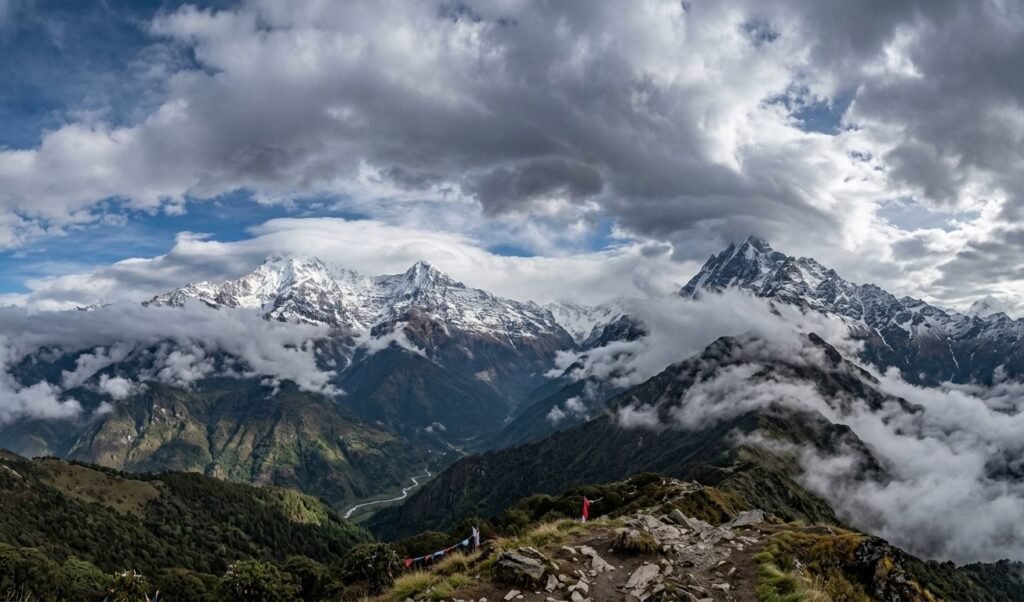
This means the weather is often more than something you check before leaving your room.
It can influence how the day unfolds.
A planned outdoor activity may need to be adjusted. A walk might be shorter than expected. You may spend more time indoors than originally intended. On another day, clear conditions may make you want to stay outside much longer.
This unpredictability is not necessarily a disadvantage.
It simply requires a different mindset.
Travellers who expect every part of their itinerary to happen exactly as planned can find mountain trips frustrating. Those who are prepared to adapt usually have an easier time enjoying them.
For current conditions and weather warnings in India, travellers can check the India Meteorological Department’s weather and warning services rather than relying only on general forecasts.
The practical lesson is simple: in the mountains, the plan should have some room to change.
The Accommodation Can Become Part of the Holiday
On some vacations, accommodation is mainly functional.
You sleep there, get ready there and leave again.
A mountain stay can work differently.
When the surroundings are a major reason for travelling, the place where you stay can influence how you experience the destination. A comfortable room, a quiet outdoor space, somewhere to sit with a book or simply a setting that lets you enjoy the landscape can become part of your time away.
This is particularly relevant when travelling to a mountain destination where you are not trying to spend every waking hour somewhere else.
The accommodation becomes part of the holiday rather than merely the base for it.
You might have breakfast without immediately thinking about the day’s next activity. You might spend an hour outdoors in the morning before heading anywhere. You might return earlier than expected and realise that you are perfectly happy not to go back out.
This is one of the defining qualities of a good mountain stay.
The destination does not stop being interesting when you return to your accommodation.
In fact, the accommodation can give you another way to experience it.
You Don’t Need to Be an Adventurer to Enjoy the Mountains
There is a common assumption that mountain travel is primarily for trekkers, climbers and adventure enthusiasts.
It is not.
A mountain holiday can be as active or as relaxed as the traveller wants it to be.
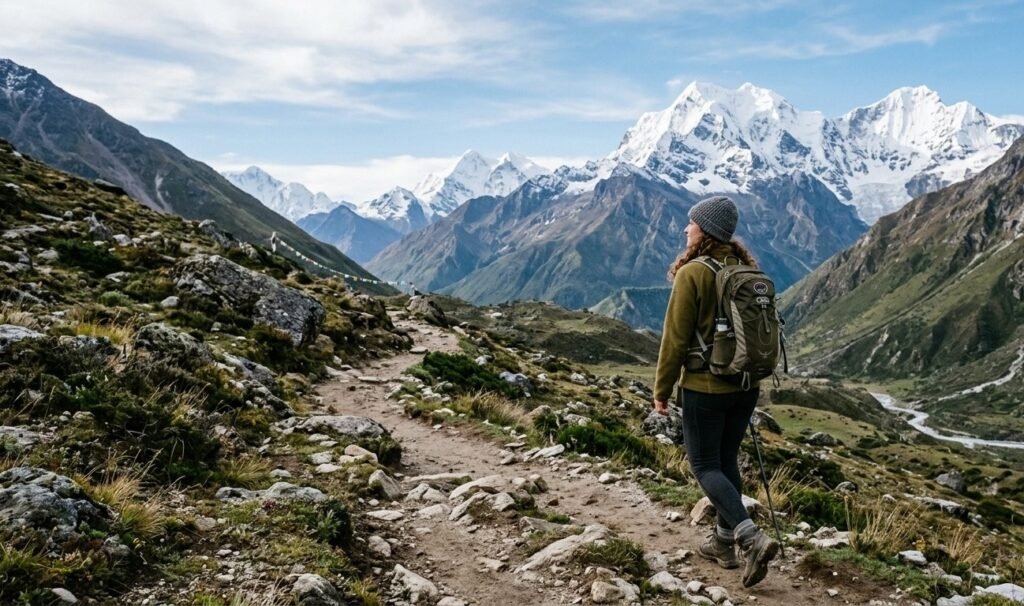
Some people will spend their days hiking. Others may prefer gentle walks, photography, local food, scenic drives or exploring their surroundings at an unhurried pace.
Someone else might be perfectly happy spending most of the morning outside with a book.
Families can enjoy having more opportunities for outdoor time. Couples may appreciate having fewer distractions and more shared moments. Solo travellers may enjoy the freedom to decide how they want to spend the day without feeling that every hour needs to be filled.
The mountains do not demand one particular style of holiday.
They simply offer a different setting in which to create one.
That is important for first-time travellers. You do not have to arrive with trekking experience or an adventure itinerary to enjoy a Himalayan holiday.
The experience can begin with something as simple as walking outside and paying attention to where you are.
Small Moments Become Part of the Holiday
One of the most interesting things about a mountain trip is how easily ordinary moments can become part of the experience.
Morning tea.
A short walk before breakfast.
Watching clouds move across a distant ridge.
Sitting outside after returning from a day out.
Having dinner without rushing to the next activity.
Listening to the surroundings after the day becomes quieter.
These are not attractions.
They are not experiences that usually appear in a traditional sightseeing itinerary.
But they often become part of what people remember.
The difference comes partly from the fact that the surroundings make it easier to stay present. There may be fewer reasons to keep moving, and the landscape gives you something to observe even when you are not actively doing anything.
This is where the idea of a mountain experience becomes more meaningful.
You are not simply consuming a destination through attractions. You are spending time in a particular environment.
And sometimes the smallest parts of the trip are the ones you remember most clearly.
Local Communities Are Part of the Mountain Experience
Mountain destinations are lived-in places.
They are home to people, businesses, schools, farms, markets and everyday routines that continue whether visitors are there or not.
That changes the character of travel.
A traveller may encounter a small local shop, eat regional food, speak with someone who lives in the area or simply pass through a village on the way somewhere else.
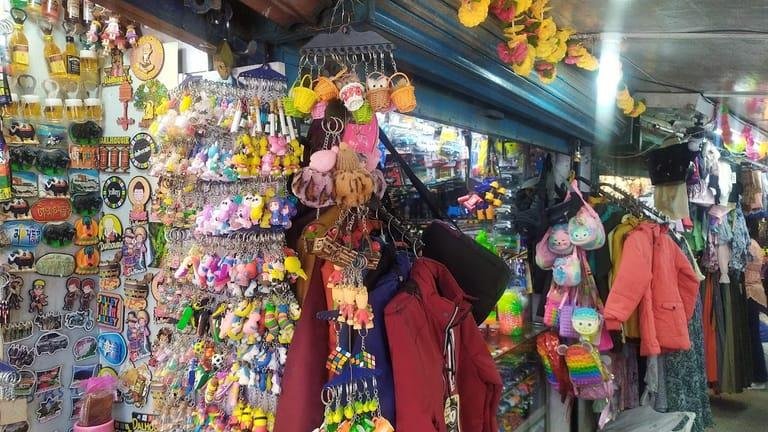
These interactions can make a mountain trip feel more connected to its surroundings.
Himachal Pradesh, for example, has a strong rural character alongside its established tourist destinations. The state’s tourism department describes a landscape that includes villages, forests, agricultural areas and varied mountain terrain.
The important thing is not to treat local life as a performance arranged for visitors.
A village is not simply a backdrop for photographs. A local shop is not an attraction. People are not part of the scenery.
Approaching these encounters with ordinary courtesy can make travel more meaningful.
Sometimes the best way to experience a place is simply to observe how it functions when you are not expecting it to entertain you.
The Mountains Change the Way You Think About Sightseeing
A conventional vacation often encourages a question like:
How many places did we see?
A mountain holiday can lead to a different question:
What did we actually experience?
The distinction matters.
You could spend a day moving between several viewpoints and remember very little about any of them.
Or you could spend an hour in one place, take a short walk, stop for something to eat and have a conversation that becomes one of the memories you take home.
Mountain travel often makes depth more noticeable.
The scale of the landscape can make rushing between places feel less important. You begin to appreciate pauses that might otherwise seem unnecessary.
This does not mean travellers should avoid sightseeing.
It simply means that sightseeing does not have to be the entire purpose of the holiday.
There is value in staying somewhere long enough to understand its atmosphere rather than only seeing it through a car window.
Mountain Holidays Have Their Own Practical Realities
It is easy to talk about mountain travel only in terms of scenery and peaceful moments.
A useful mountain holiday also requires some realism.
Journeys can take longer than expected. Roads can be winding. Weather can affect plans. Temperatures can change during the day. Some areas may have fewer services than travellers are accustomed to in larger cities.
Connectivity can also vary depending on where you are staying.
None of this makes mountain travel inconvenient by definition. It simply means that expectations need to be realistic.
A traveller who understands these differences is less likely to feel frustrated when a plan changes.
It is worth checking conditions before setting out, especially when weather or road conditions could affect travel. Official tourism authorities and weather services are better references than assumptions based on what a destination was like during a previous visit.
The Himachal Pradesh Tourism Department provides official destination and travel information, while the India Meteorological Department provides weather forecasts and warnings.
The mountains are not a controlled environment.
That is part of what makes them different.
Who Is a Mountain Holiday Really For?
A mountain holiday can suit very different types of travellers.
Couples
For couples, the appeal may be less about fitting in as many activities as possible and more about having shared experiences—a long drive, a quiet meal, a walk or simply time together away from familiar routines.
Solo Travellers
Solo travellers often appreciate having the freedom to decide how their day unfolds. A mountain destination can provide plenty of opportunities for independent exploration without requiring a constant schedule.
Families
Families may enjoy having more opportunities to spend time outdoors and experience a destination at a different pace. The best family mountain trips do not necessarily need to be packed with activities.
Nature Lovers
For people who naturally enjoy landscapes, forests, changing weather and outdoor surroundings, the environment itself can be a major part of the attraction.
First-Time Mountain Travellers
First-time visitors do not need to be experienced trekkers.
If you are simply curious about what it feels like to spend several days surrounded by mountain landscapes, a mountain getaway can be a good introduction.
The important question is not whether you are an “adventure person.”
It is whether you enjoy the kind of pace and environment that mountain travel offers.
Mountain Holiday vs Ordinary Vacation: What Really Changes?
There is no universally better type of holiday. City breaks, beach trips, resort vacations and mountain escapes all offer different experiences.
The difference is in what shapes the trip.
| Aspect | Mountain Holiday | Conventional Vacation |
| Pace | Often slower and more flexible | Often more schedule-driven |
| Journey | Can become part of the experience | Usually treated as transportation |
| Environment | Central to the experience | Often more of a backdrop |
| Weather | Can influence plans significantly | Often less central to the trip |
| Activities | Nature and surroundings often play a larger role | Often centred around attractions and entertainment |
| Accommodation | Can become part of the experience | Often functions mainly as a base |
| Time | More room for unstructured moments | Often more activity-focused |
| Experience | Often centred on depth and atmosphere | Often centred on variety and convenience |
Neither approach is wrong.
Some travellers love having a full schedule. Others prefer leaving space between plans.
A mountain holiday simply tends to make that space more noticeable.
Why People Keep Returning to the Mountains
For many travellers, one mountain trip is enough to make them want to return.
The reason is not necessarily one particular attraction.
It may be the feeling of travelling differently.
The roads become familiar. A favourite season may become something to look forward to. A place visited years ago may feel different under another kind of weather. A traveller who once wanted to see everything may return simply wanting more time in the same surroundings.
There is also something appealing about returning to a landscape without expecting it to provide a completely new activity every time.
You may revisit because you liked how the place felt.
That is a different kind of travel motivation.
It is less about collecting destinations and more about developing a relationship with certain kinds of places.
For some people, that becomes the real attraction of mountain travel.
Experiencing the Himalayas Through This Kind of Holiday
The Himalayas are too varied to be reduced to one type of holiday.
A Himalayan trip can be active or quiet, social or private, carefully planned or loosely structured. It can revolve around outdoor experiences, local food, photography, landscapes, cultural encounters or simply time spent somewhere away from familiar surroundings.
Himachal Pradesh reflects that variety. Its official tourism resources cover destinations ranging from Dalhousie and Chamba to Manali, Dharamshala, Kinnaur and Lahaul-Spiti, reflecting the state’s considerable geographical and travel diversity.
That variety is useful because it means a Himalayan getaway does not have to follow one formula.
Someone visiting Dalhousie may experience the mountains very differently from someone travelling through a high-altitude valley.
Even within the same destination, two travellers can return with completely different memories.
One may remember a long walk.
Another may remember a meal.
Someone else may remember the drive.
And another may remember spending an afternoon doing almost nothing at all.
That flexibility is one of the strengths of the Himalayan holiday experience.
How EVA Cabins Fits Into the Mountain Holiday Experience
A mountain stay works best when the place where you stay feels connected to the reason you travelled there.
This is part of the thinking behind EVA Cabins.
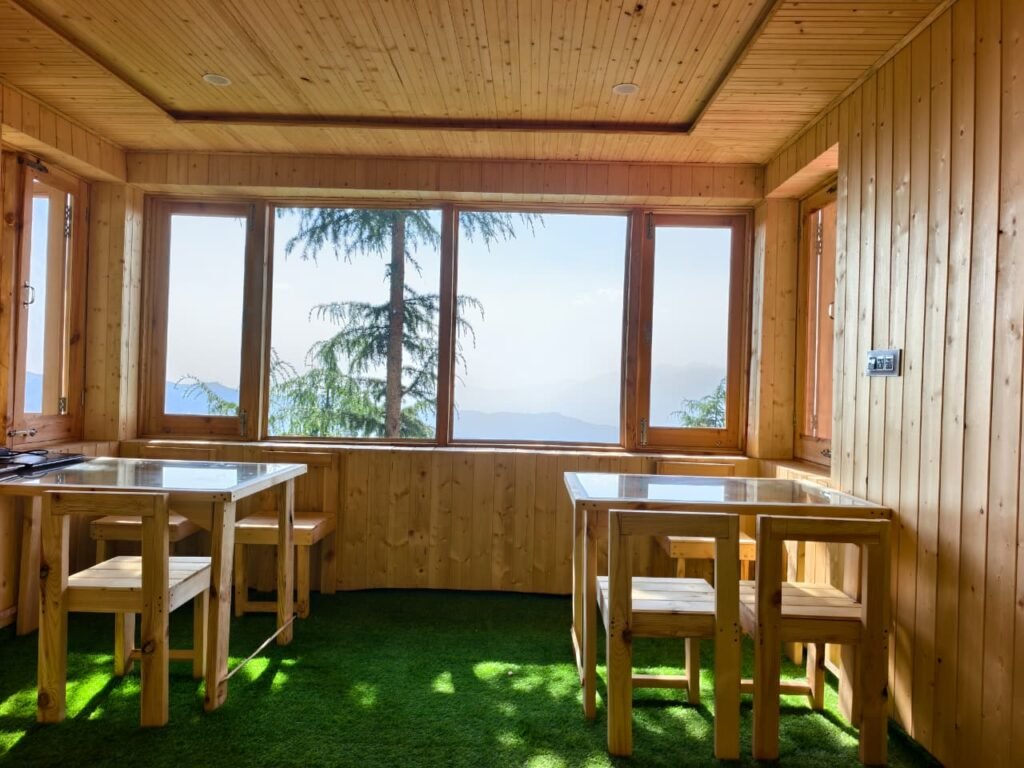
Located around the Dalhousie experience in Himachal Pradesh, EVA Cabins offers cabin and homestay experiences for travellers looking to spend time in the mountains rather than simply use a property as a place to sleep.
The idea fits naturally with a broader style of mountain travel: allowing the surroundings to remain part of the experience even when you are not out exploring.
That might mean taking your time in the morning, returning after a day out and enjoying a quieter evening, or simply giving yourself space to experience the destination without constantly moving from one attraction to another.
For travellers considering a stay in Dalhousie, EVA Cabins can therefore be part of a mountain holiday built around experiencing the surroundings at a more natural pace.
The accommodation does not have to compete with the destination.
It can simply give you a comfortable place from which to experience it.
Is a Mountain Holiday Right for You?
If you are still deciding whether this type of vacation suits you, consider how you normally like to travel.
A mountain holiday may be a good fit if you:
- Enjoy changing landscapes
- Like spending time outdoors
- Appreciate quieter surroundings
- Do not mind journeys taking a little longer
- Enjoy flexible days
- Prefer experiences over constant entertainment
- Like having time without a fixed schedule
- Are comfortable adapting to changing weather
It may be less suitable if you:
- Prefer highly predictable schedules
- Want dense urban entertainment nearby
- Dislike winding mountain roads
- Expect every service to be immediately available
- Prefer holidays where weather rarely affects plans
There is no right answer.
The point is to choose a holiday that matches the way you actually enjoy spending your time.
A mountain destination can be wonderful for someone who likes slowing down, but frustrating for someone who wants every day to run according to a tightly controlled itinerary.
Knowing that before you go can make a significant difference.
Frequently Asked Questions
1. What makes a mountain holiday different from a regular vacation?
A mountain holiday is shaped more strongly by its surroundings. The journey, terrain, weather, outdoor environment and accommodation can all influence how the trip unfolds. The experience often includes more unstructured time and interaction with the landscape.
2. Are mountain holidays only suitable for adventure travellers?
No. You do not need to be a trekker or adventure enthusiast to enjoy the mountains. Walking, photography, local food, scenic drives, quiet mornings and simply spending time outdoors can all be part of a mountain vacation.
3. Is a mountain holiday good for first-time travellers?
Yes, provided you choose a destination and activities that match your comfort level. First-time visitors should understand that mountain journeys can take longer and that weather may affect plans.
4. What should I expect from travelling in the Himalayas?
Expect changing landscapes, winding roads, varied weather and a pace that may feel different from travelling through cities. Depending on the destination, services and connectivity can also vary.
5. Does mountain weather affect holiday plans?
It can. Weather conditions may influence outdoor activities, road travel and how you spend a particular day. Checking reliable forecasts and official warnings before travelling is a sensible part of preparation.
6. How many days are ideal for a mountain holiday?
There is no universal number. A shorter trip can work for a quick mountain escape, while several days give you more time to experience the surroundings without rushing. The ideal duration depends on the destination and how you prefer to travel.
7. What type of accommodation is best for a mountain holiday?
There is no single answer. The right choice depends on your preferences, but accommodation that allows you to enjoy the surrounding environment can add considerably to the overall experience.
8. Is a mountain holiday suitable for families?
It can be, especially when the destination and activities are appropriate for the family. Families should consider travel time, weather, accessibility and the availability of services when choosing a mountain destination.
A Mountain Holiday Is About More Than the Mountains
A mountain holiday is different not simply because the landscape is higher or the views are wider.
The environment changes the way the entire trip works.
The journey can become part of the experience. Weather can influence the day. A short walk can feel worthwhile without leading to a particular attraction. Accommodation can become part of the holiday instead of simply a place to sleep. A quiet morning can matter just as much as a planned outing.
Most importantly, mountain travel can change what we expect from a vacation.
Instead of asking how much we can fit into a few days, we may begin asking what we actually want to experience.
That does not mean every mountain holiday needs to be slow or quiet. There is plenty of room for adventure, exploration and activity. But the mountains allow for another kind of holiday too—one where the surroundings are not simply something you pass on the way to the next attraction.
For travellers planning a Himalayan holiday in Himachal Pradesh, that difference is worth considering before choosing an itinerary or a place to stay.
Sometimes the best mountain trip is not the one where you see the most.
It is the one where you actually have time to experience where you are.
And if you are looking for a stay in Dalhousie that allows the mountain setting to remain part of your holiday, EVA Cabins offers a place to begin that experience thoughtfully.