
Mountain Travel Memories: Why We Remember Mountain Trips Long After They End
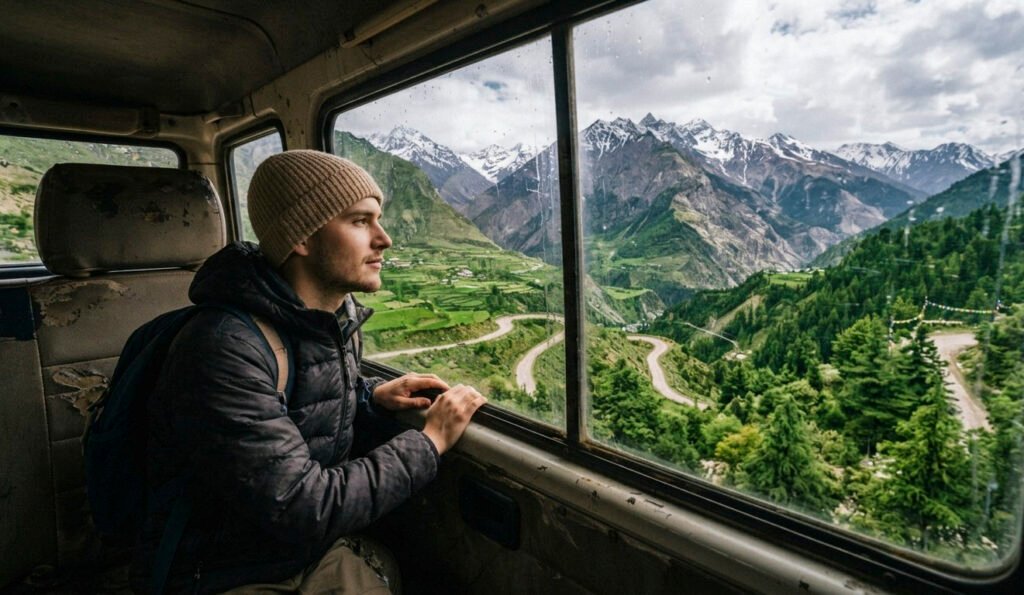
Why Do Some Mountain Trips Stay With Us for Years?
Some holidays are easy to remember because of where we went. We remember the famous attraction, the hotel, the viewpoint, or the photographs we took there. But the trips that stay in our minds for years are not always the ones with the longest itinerary or the most impressive list of places visited. Often, they are remembered through a handful of ordinary moments: a conversation during a long drive, tea on a cold morning, an unexpected change in weather, or the first time a mountain landscape appeared through the window.
This is what makes mountain travel memories particularly interesting. A mountain trip is rarely only about reaching a destination. The journey, changing landscape, weather, people, accommodation and small experiences between planned activities all become part of the story. A simple stop along the road can become more memorable than a carefully scheduled attraction, especially when it happens at a particular moment or with particular people.
For couples, families, friends and solo travellers, these details can shape the way a trip is remembered. Someone may forget the exact order of places they visited but still remember sitting beside a loved one while the road climbed into the hills. A family may forget the name of a particular viewpoint but continue talking about the unexpected rain that changed their plans. A solo traveller may remember one quiet morning more clearly than an entire sightseeing itinerary.
That is why some memorable mountain trips continue to feel present long after the bags have been unpacked. The destination provides the setting, but the personal experiences give the journey its identity.
What Makes Mountain Travel Memories Different?
Travel memories are personal, so there is no single reason why one holiday stays with someone longer than another. However, mountain travel often brings together several elements that make a journey feel distinct from everyday life.
The journey itself can be longer and more noticeable. The landscape changes gradually. Weather can alter plans. Roads wind through different elevations and settlements. The place where you stay may feel closely connected to the surrounding environment. Even a simple walk outside can feel different when the view, temperature and sounds are unfamiliar.
This creates many opportunities for small moments to become part of the overall experience. A traveller might remember stopping for tea during a drive, watching clouds move across a valley, talking late into the evening with friends, or waking earlier than expected because the surroundings were unfamiliar.
The important point is that memorable travel experiences do not always come from doing something extraordinary. Sometimes, the strongest mountain memories come from experiencing ordinary things in an unusual setting.
We Remember the Experience, Not Just the Destination
A destination name tells us where a trip happened, but it does not tell the complete story.
Think about a mountain holiday from several years ago. You may remember the destination immediately, but can you remember exactly what you did on the second afternoon? Can you recall the order in which you visited every attraction? Probably not.
What often remains are fragments.
You remember who was sitting beside you in the car. You remember the conversation that lasted longer than expected. You remember stopping because everyone wanted tea. You remember the weather changing while you were outside. You remember a particular view that appeared unexpectedly after a bend in the road.
Those details give a destination personal meaning.
Two travellers can visit exactly the same place and return home with completely different memories. One may remember the scenery, another the food, another the journey, and another a conversation that had nothing to do with sightseeing.
That is why a mountain trip experience cannot be measured simply by the number of places visited. The personal context surrounding those places matters just as much.
The Mountain Journey Becomes Part of the Holiday
One of the defining features of travelling to the mountains is that reaching the destination can be an experience in itself.
The landscape rarely changes all at once. Buildings and traffic gradually give way to winding roads, hills, forests, valleys and smaller settlements. The journey becomes a transition between familiar surroundings and a different environment.
This gradual change can make the arrival feel more significant.
Instead of simply stepping off a plane or train into a new city, travellers often spend hours watching the destination take shape outside the window. The road itself becomes part of the anticipation.
There may be conversations in the car, music playing in the background, roadside stops, shared snacks or moments when everyone becomes quiet to look at the scenery. None of these things necessarily appear in an itinerary, but they can become an important part of the memory.
For a Himalayan journey, this can be particularly noticeable. A destination such as Dalhousie is not simply a point on a map; the route into the hills is part of how travellers experience arriving there.
If you are interested in exploring the destination beyond individual attractions, our guide to Best Scenic Drives Around Dalhousie can also help put the journey itself into perspective.
The First Mountain View Can Become a Lasting Memory
There is often one moment during a mountain journey when the landscape suddenly opens up.
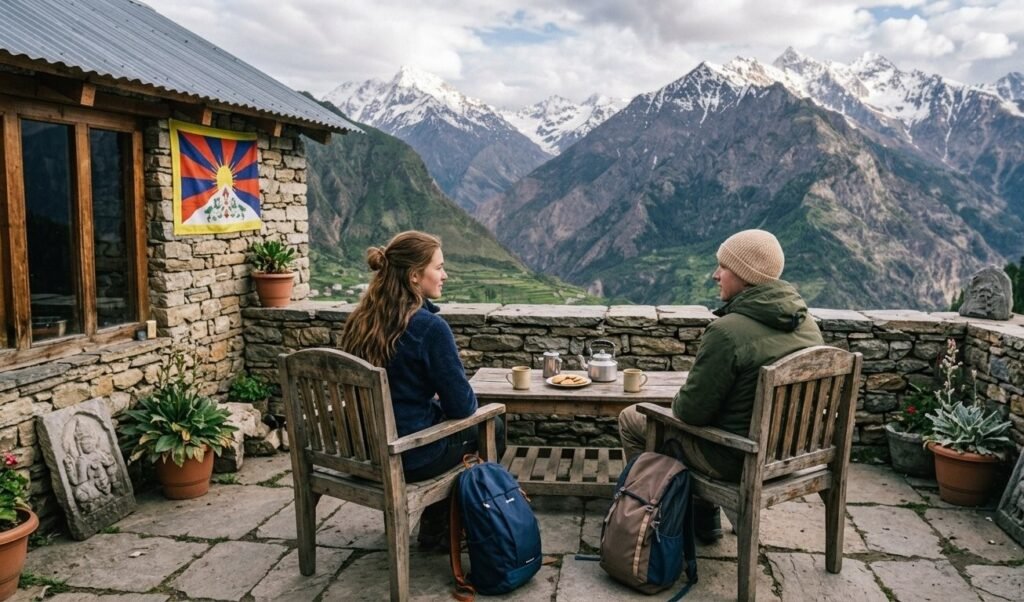
It might happen after a bend in the road. It could be the view from a room, a viewpoint reached after a walk, or simply a scene noticed through the vehicle window.
The reason that moment stands out is often the contrast. After spending hours surrounded by familiar roads, buildings and urban surroundings, suddenly seeing a wide mountain landscape can make the change of environment feel real.
For someone visiting the Himalayas for the first time, that first view may become one of the defining moments of the trip.
For a returning traveller, it can mean something different. The landscape may bring back memories of an earlier visit, a different season or different companions.
This is one reason photographs and memories are not always the same thing. A photograph can preserve what the landscape looked like, but the personal memory includes everything around the photograph: who was there, what happened immediately before it, what people were talking about and how the moment felt.
The view is only one part of the memory.
Why Small Moments Often Become the Best Mountain Memories
A trip does not need to be packed with activities to become memorable.
Some of the strongest mountain travel experiences happen during the quiet parts of a holiday. It could be having tea outside in the morning, sitting beside a window while the weather changes, sharing a meal with family, or talking with friends after returning from a day of sightseeing.
These moments are easy to overlook while they are happening because they do not feel like major travel events.
Yet when people look back, these ordinary details can become surprisingly important.
A traveller may remember a particular morning because the mountains were covered in mist. A couple may remember sitting outside after dinner and talking without checking the time. Friends may remember laughing about something that happened during the journey.
The activity itself was simple. The setting and circumstances made it memorable.
This is why a meaningful mountain getaway does not necessarily require an ambitious itinerary. Sometimes, leaving enough space in the day allows the small experiences to become part of the trip.
Unexpected Moments Give Every Trip Its Own Story
Even well-planned holidays rarely go exactly according to plan.
Weather changes. A road journey takes longer than expected. A planned activity does not work out. Travellers stop somewhere that was not originally on the itinerary. A short break becomes a much longer conversation.
These moments can be frustrating at the time, particularly when they disrupt a carefully planned day. But they can also give a trip its own character.
Think about how people tell stories about holidays. They rarely begin with a list of scheduled activities. More often, they begin with:
“Do you remember when…?”
That unexpected moment becomes the beginning of the story.
Of course, travelling in the mountains still requires sensible planning. Weather and road conditions can affect journeys, and travellers should always prioritise safety. Being open to an unexpected experience does not mean ignoring practical considerations.
It simply means accepting that not every worthwhile part of a trip can be planned in advance.
Sometimes the detour becomes the memory.
Weather Can Change the Story of a Mountain Trip
Weather is an important part of mountain travel because it can change the appearance and atmosphere of a destination within a matter of hours.
A clear morning can offer wide views across the surrounding hills. Later, clouds may move in and cover the same landscape. Rain can change an outdoor plan into a long conversation indoors. Mist can make familiar surroundings look completely different.
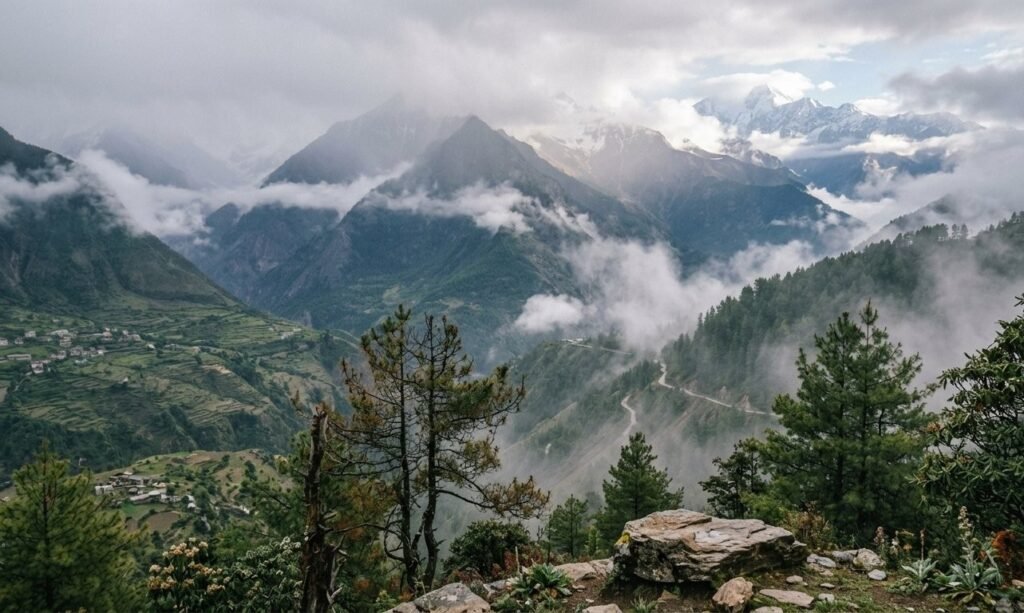
These changes can become part of Himalayan memories.
Someone may not remember every sightseeing stop from a holiday, but they may remember that it rained every afternoon. Another traveller may remember waking up to clear mountain views after a cloudy evening.
Weather does not have to cooperate perfectly for a trip to become memorable.
In fact, the changing conditions can give each visit its own character.
This is also why returning to the same destination in another season can feel like experiencing a different place. The landscape may be familiar, but the atmosphere surrounding it can change considerably.
For travellers considering different seasons, our existing guide to Dalhousie in Autumn can provide a useful starting point for understanding how seasonal travel changes the destination.
The People You Travel With Shape the Memory
A destination may provide the setting, but the people travelling with you often become an equally important part of the memory.
For couples, a mountain holiday can be remembered through long conversations, shared meals, quiet mornings and experiences that are different from normal routines.
For families, the journey itself can create stories. Children may remember an unexpected stop, parents may remember the road journey, and everyone may remember an incident that was funny only because it happened during that particular trip.
Friends often create a different kind of travel story. A shared joke, a wrong turn, a spontaneous stop or a long conversation can become part of the group’s history.
Solo travel is different again. Without companions to shape the experience, the traveller may remember the journey more personally—a particular place, a period of life, an independent decision or the feeling of being somewhere unfamiliar.
There is no universal definition of a memorable trip.
The same mountain landscape can become a completely different memory depending on who experienced it.
Landscapes Become Connected With Personal Memories
A landscape can eventually become more than a landscape.
A particular mountain road may remind someone of a family holiday. A valley may become associated with a first trip with a partner. A particular town may bring back memories of travelling with friends years earlier.
This is one reason people sometimes feel a strong connection with places they have visited before.
The destination has become connected with personal history.
Returning to the same place can therefore be interesting. The landscape may be familiar, but the traveller is not necessarily the same person who visited before.
Different companions, different seasons and different circumstances can create a new experience.
A place that once felt exciting may later feel comforting. A destination first visited with family may eventually be revisited with friends. A location associated with one stage of life can take on another meaning years later.
Mountain memories can therefore accumulate rather than simply replace one another.
Why Shared Mountain Trips Become Stories We Retell
Some travel experiences become stronger simply because they are shared.
A group can experience the same journey, yet everyone may remember a different detail. One person remembers the drive, another remembers the food, someone else remembers the weather, and another remembers an evening conversation.
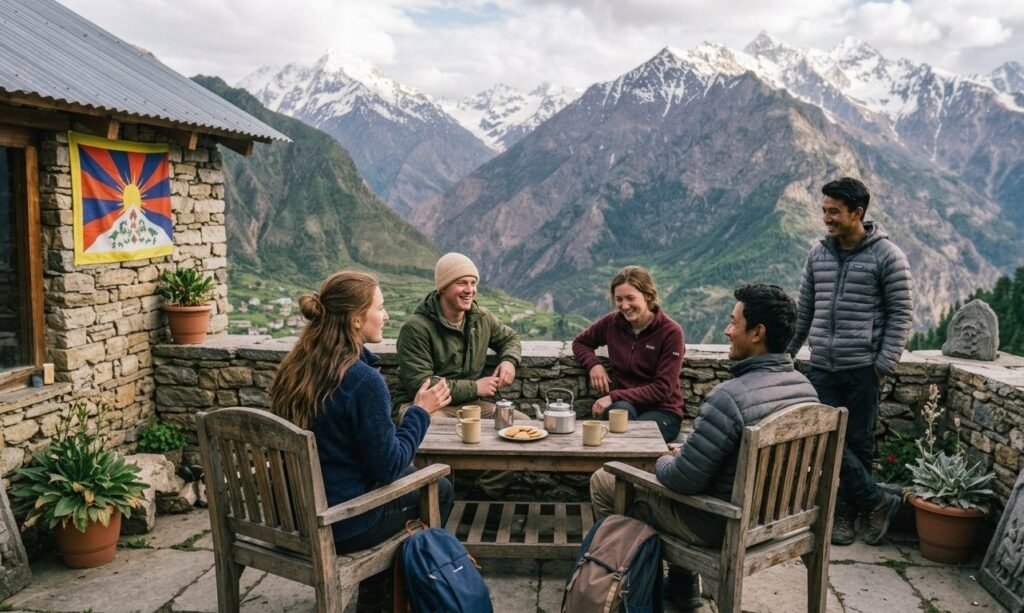
Over time, these individual memories become part of a shared story.
That is particularly true when something unexpected happens. A delayed journey, sudden rain, an unplanned stop or a funny mistake can become a story that gets repeated long after the holiday is over.
This is one reason memorable mountain trips do not have to be expensive or elaborate.
A simple journey can create strong shared memories when people have time to experience it together.
The value of the trip is not necessarily measured by how much was spent or how many attractions were visited. Sometimes it is simply the fact that everyone was there for the same moment.
Why Mountain Trips Feel Different Each Time
Returning to the mountains does not mean repeating the same holiday.
The destination may be identical, but the experience can change because the traveller has changed.
The first visit may have been about discovery. A later visit may be about rest. One trip may be taken with family, another with friends. A traveller may visit during one season and return during another.
Even the same viewpoint can feel different under different weather conditions.
This explains why some people return repeatedly to the same mountain destinations. Familiarity does not necessarily remove interest. It can actually make it easier to notice smaller details.
On a first visit, a traveller may focus on seeing as much as possible. On a later trip, they may spend more time enjoying the destination itself.
That is one of the strengths of repeat travel.
You are not necessarily returning to recreate an old memory. You may be creating a new one in a place that already means something to you.
The Place You Stay Becomes Part of the Travel Memory
Accommodation is often treated as a practical decision: where to sleep, where to keep your luggage and where to return after sightseeing.
But the place where you stay can become part of the story of the trip.
Think about the moments that happen between activities.
The first morning after arrival.
The view outside the room.
A conversation after returning from a day out.
A meal shared at the end of the day.
An evening spent doing very little because everyone is tired from travelling.
These are not separate from the holiday. They are part of it.
For a mountain getaway, the relationship between accommodation and surroundings can be particularly important. A stay that allows travellers to experience the mountain environment during quieter periods can become more memorable than accommodation that is treated purely as a base.
This is why choosing where to stay should involve more than comparing room features.
Travellers should also consider the kind of experience they want their accommodation to support.
If the aim is to spend more time experiencing the destination rather than constantly moving between attractions, the accommodation becomes part of that decision.
Our guide to Cabin Stay in Dalhousie vs Hotel Stay explores this difference in more detail.
Meaningful Travel Does Not Always Mean Doing More
Modern travel can sometimes become a checklist.
Visit this place.
Photograph that viewpoint.
Try this activity.
Move to the next attraction.
There is nothing wrong with active travel. Many people genuinely enjoy seeing as much as possible during a holiday.
But a meaningful travel experience does not necessarily depend on how much gets completed.
A quiet morning can matter.
A long conversation can matter.
Stopping for tea during a journey can matter.
Spending an afternoon watching the weather change can matter.
The point is not that travellers should avoid activities. It is that they do not need to feel that every hour has to produce something worth documenting.
This is particularly relevant for mountain holidays, where the surroundings themselves can provide part of the experience.
If you are planning a trip and want to leave room for these quieter moments, our guide on How to Plan a Relaxing Himalayan Getaway Without Overplanning offers a useful complementary perspective.
What Makes a Mountain Getaway Truly Memorable?
There is no single formula for creating memorable travel experiences.
For one person, it may be an adventurous journey. For another, it may be a peaceful weekend. A family may value shared time, while a solo traveller may value independence.
Still, a few elements frequently come together in memorable mountain trips:
- A journey that becomes part of the experience
- Time to notice the landscape
- Unexpected moments
- Shared experiences
- Changing weather
- A comfortable place to return to
- Enough flexibility to enjoy moments that were not planned
- Experiences that feel personal rather than simply checked off a list
The important word is personal.
A mountain holiday does not become meaningful because someone else says it should. It becomes meaningful when the experience connects with the traveller.
That is why there is no perfect itinerary for creating mountain memories.
How EVA Cabins Can Become Part of a Mountain Travel Memory
The place where travellers stay naturally becomes part of the story of a trip, particularly when the accommodation is connected to the surrounding mountain environment.
EVA Cabins is located in the Dalhousie area of Himachal Pradesh and offers private A-frame cabins in a forested setting, with outdoor seating and mountain views. The property describes its experience around privacy, nature and time spent in the Himalayan surroundings.
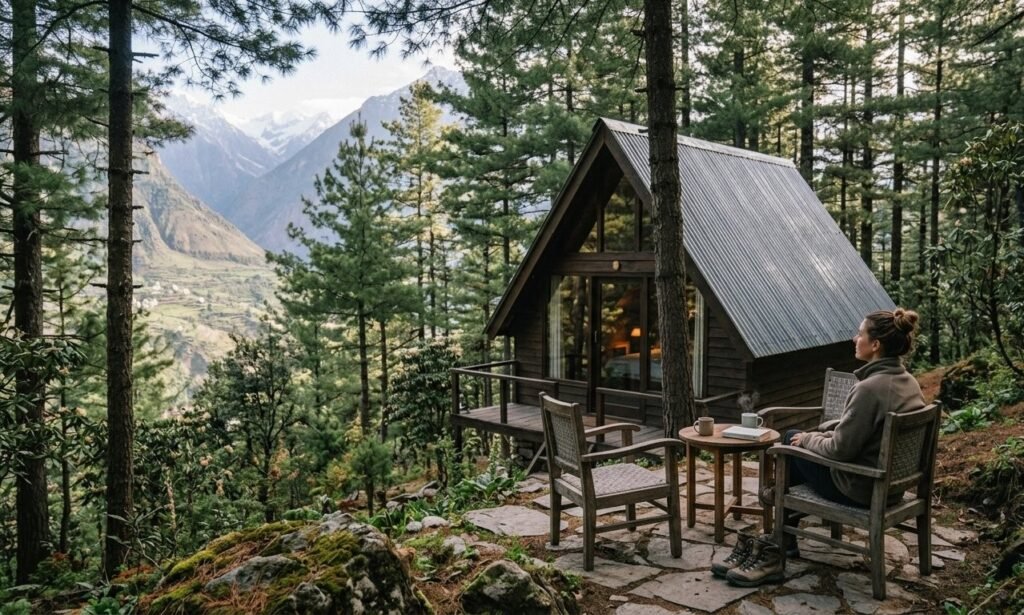
The approach to the property is also different from a conventional drive-up hotel. EVA Cabins currently describes parking at the trail base followed by approximately a 15-minute walk through the woods to reach the cabins. That means the arrival itself becomes part of the experience rather than simply pulling up outside the accommodation.
For travellers, those details can become part of the memory of the stay: arriving after a mountain journey, walking through the wooded surroundings, settling into the cabin, spending time outdoors and returning to the property after exploring Dalhousie.
The accommodation does not need to become the entire focus of the trip. It can simply be one of the places where the moments that make the journey personal happen.
For travellers comparing different types of accommodation, the EVA Cabins rooms page provides current information about the cabins and stay experience.
How to Create Better Mountain Travel Memories
You cannot completely plan a memorable trip.
Trying too hard to create one can actually make a holiday feel like another task to complete.
Instead, travellers can create more room for meaningful experiences by making a few simple choices.
Leave some space in the itinerary
A schedule with every hour planned leaves little room for unexpected stops or quiet moments.
Pay attention to the journey
Do not treat the road as time that has to be endured before the holiday begins. The changing landscape can be part of the trip.
Travel with the right expectations
Mountain destinations can involve changing weather, longer journeys and slower travel. Expecting everything to run exactly like a city holiday can create unnecessary frustration.
Spend some time where you stay
Accommodation can become part of the experience when you allow yourself time to enjoy it rather than using it only for sleeping.
Do not measure the trip only by activities
A holiday can be valuable even when nothing dramatic happens.
Let the unexpected happen
Within sensible safety limits, allow some flexibility. A spontaneous stop or changed plan may eventually become one of the stories you remember most.
The goal is not to manufacture memories.
It is simply to give yourself enough time to notice them.
Why We Keep Returning to the Mountains
Perhaps the reason we remember certain mountain trips is also the reason we return to them.
A familiar destination can hold more than one version of our lives.
We may remember visiting with our parents, then returning years later with friends. We may remember one season and later experience another. We may revisit a landscape that once felt completely unfamiliar and see it differently because our own circumstances have changed.
The mountains become part of those different chapters.
That does not mean every mountain trip becomes a lifelong memory. Some holidays are simply holidays, and that is perfectly fine.
But when a journey does stay with us, it is rarely because we managed to complete the perfect itinerary.
It is more likely to be because something connected the place with our own experience.
A road.
A view.
A conversation.
A rainy afternoon.
A quiet morning.
A shared meal.
A place where we stayed.
Years later, those small details can bring an entire mountain journey back.
And perhaps that is what makes travelling to the mountains so rewarding. We do not always know which moment will matter most until much later.
FAQ: Mountain Travel Memories
1. Why do mountain trips create lasting memories?
Mountain trips can become memorable because the journey, landscape, weather, people and accommodation all contribute to the overall experience. Instead of remembering only individual attractions, travellers may associate a destination with specific moments, conversations and experiences from the trip.
2. What makes a mountain trip memorable?
A memorable mountain trip can include a distinctive journey, changing landscapes, unexpected moments, shared experiences, local surroundings and time spent enjoying the destination. What makes a trip memorable varies from traveller to traveller.
3. Why do people remember travel experiences more than itineraries?
An itinerary records where someone went, while the experience includes everything that happened around those places. Conversations, weather, people, unexpected events and personal circumstances can give a destination a stronger connection to the traveller.
4. Can a simple mountain holiday be memorable?
Yes. A mountain holiday does not need a packed itinerary to become meaningful. A quiet morning, a shared meal, an interesting conversation or an unexpected change in weather can become an important part of the trip.
5. Why do people return to the same mountain destinations?
Returning to a familiar mountain destination allows travellers to experience it under different circumstances. A different season, group of companions, itinerary or stage of life can make the same destination feel new again.
6. Does weather affect mountain travel experiences?
Yes. Weather can significantly change the appearance and atmosphere of mountain destinations. Clear skies, clouds, rain and mist can all create different experiences, which is one reason returning to the same destination can feel different.
7. How does accommodation become part of a travel memory?
Accommodation becomes part of a travel memory when travellers spend meaningful time there. Mornings, meals, conversations, views, outdoor spaces and quiet evenings can all become associated with the overall mountain trip.
8. How can I make my next mountain trip more meaningful?
Leave some flexibility in your itinerary, pay attention to the journey, spend time enjoying your surroundings and avoid measuring the trip only by how many attractions you visit. Meaningful travel often comes from allowing enough time to experience the destination rather than simply moving through it.