
How to Experience Himachali Culture in Dalhousie: A Complete Local Guide
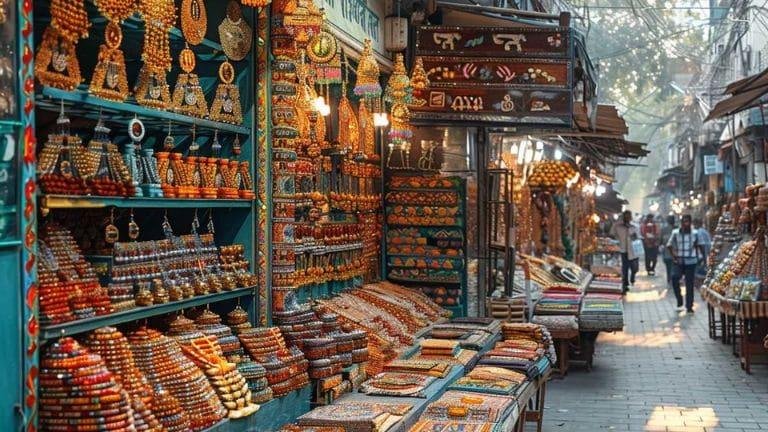
Many travelers visit Dalhousie for its misty pine forests, colonial architecture, and breathtaking Himalayan views. However, beyond the popular viewpoints lies a richer story waiting to be discovered. Himachali culture in Dalhousie is deeply connected to the traditions of the historic Chamba region, where centuries-old temples, vibrant festivals, handcrafted textiles, local cuisine, and warm mountain hospitality continue to shape everyday life.
Unlike destinations where culture is confined to museums, Dalhousie offers authentic experiences through its bustling local markets, family-run cafés, nearby villages, and age-old customs that remain an important part of the community. Whether you’re tasting a traditional Himachali meal, admiring the intricate embroidery of a Chamba Rumal, or attending a local festival, every experience offers a deeper understanding of the region’s heritage.
This guide explores the many ways to experience Himachali culture in Dalhousie, from historic landmarks and traditional crafts to local food, festivals, spiritual sites, and responsible travel practices. If you’re looking to connect with the destination beyond sightseeing, this cultural journey will help you experience Dalhousie in a far more meaningful way.
Why Experiencing Himachali Culture Makes Your Dalhousie Trip More Meaningful
For many visitors, Dalhousie is known as a peaceful hill station surrounded by cedar forests and mountain landscapes. Yet, its greatest charm lies in its connection to the culturally rich Chamba Valley, one of Himachal Pradesh’s oldest regions with a history spanning more than a thousand years.
Choosing to explore Himachali culture in Dalhousie allows you to experience the destination beyond its scenic beauty. Instead of simply checking famous viewpoints off your itinerary, you become part of local traditions, discover stories behind historic temples, meet skilled artisans, and enjoy authentic regional cuisine that reflects generations of mountain life.
What Makes Dalhousie’s Culture Unique?
Several influences have shaped the cultural identity of Dalhousie and the surrounding Chamba district:
- Ancient Chamba Kingdom heritage
- Traditional Himachali architecture
- Buddhist and Hindu cultural influences
- Colonial-era British history
- Indigenous mountain communities
- Rich traditions of handicrafts, embroidery, and woodwork
- Seasonal fairs and community festivals
This blend of influences creates an experience where colonial churches stand alongside centuries-old temples, bustling markets display handcrafted local products, and quiet villages preserve traditions that have been passed down for generations.
Culture Is Best Experienced, Not Just Seen
One of the most rewarding aspects of visiting Dalhousie is that culture isn’t limited to monuments or museums. It can be found in everyday moments:
- Watching artisans create traditional handicrafts
- Sharing conversations with local shopkeepers
- Enjoying homemade Himachali dishes
- Exploring historic temples respectfully
- Walking through traditional mountain villages
- Shopping for locally crafted souvenirs instead of mass-produced items
- Participating in local festivals when your visit coincides with them
These experiences create meaningful memories while supporting the local communities that keep these traditions alive.
Understanding Himachali Culture Around Dalhousie
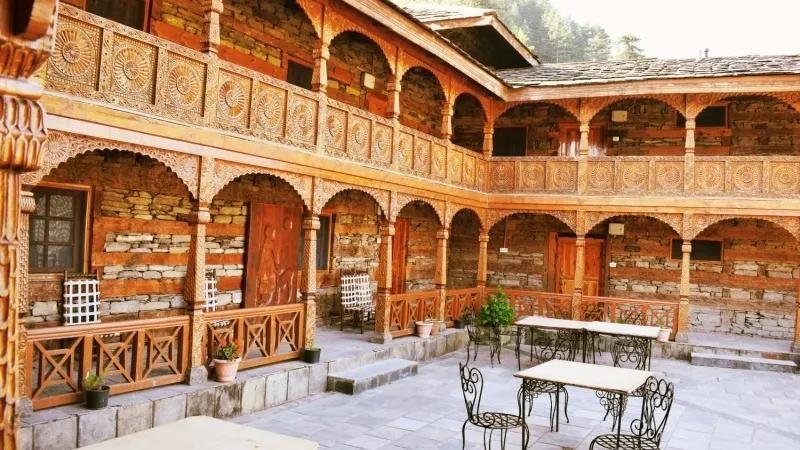
To truly appreciate Himachali culture in Dalhousie, it’s helpful to understand the region’s close relationship with Chamba. Although Dalhousie developed as a British hill station during the nineteenth century, it is surrounded by communities whose customs, language, cuisine, festivals, and craftsmanship are deeply rooted in the traditions of the historic Chamba Kingdom.
Today, travelers can experience a fascinating blend of colonial heritage and traditional Himachali life. Stately churches, heritage-era buildings, and peaceful promenades exist alongside ancient temples, bustling local markets, and villages where traditional lifestyles continue to thrive.
A Brief History of Dalhousie and Chamba
Dalhousie was established in 1854 by the British as a summer retreat and was named after Lord Dalhousie, the then Governor-General of India. Its cool climate and panoramic mountain views made it a popular destination for colonial officers seeking respite from the summer heat.
However, the surrounding Chamba region has a much older history. The former Kingdom of Chamba, founded in the 6th century, became renowned for its temples, miniature paintings, embroidery, and distinctive artistic traditions. Many of these cultural influences continue to shape life around Dalhousie today, making the area far more than just a scenic hill station.
The Spirit of Himachali Hospitality
One of the first things visitors notice is the genuine warmth of the local people. Hospitality is an important part of mountain life, where communities have traditionally relied on cooperation and mutual support.
Visitors are often welcomed with friendly conversations, helpful travel advice, and a relaxed pace of life that encourages meaningful interactions. Whether you’re exploring a village, shopping in the local markets, or enjoying regional cuisine, respectful curiosity is usually met with equally warm hospitality.
Traditions That Continue Today
Although modern tourism has grown over the years, many cultural traditions remain an important part of everyday life across the region.
These include:
- Celebrating seasonal festivals with community gatherings
- Preserving traditional embroidery and handicrafts
- Preparing regional recipes using locally sourced ingredients
- Maintaining centuries-old temples and places of worship
- Passing folk songs and oral traditions from one generation to the next
- Wearing traditional attire during festivals and special occasions
For travelers, these living traditions offer authentic cultural experiences in Dalhousie that go far beyond conventional sightseeing.
Cultural Fact Box
| Cultural Highlight | Why It Matters |
| Historic Chamba Kingdom | One of North India’s oldest hill kingdoms, known for its rich artistic and architectural heritage. |
| Chamba Rumal | UNESCO-recognized embroidered craft celebrated for its intricate double-sided needlework. |
| Temple Architecture | Ancient stone and wooden temples reflect centuries of regional craftsmanship and devotion. |
| Local Cuisine | Traditional Himachali dishes use seasonal ingredients and recipes passed down through generations. |
| Mountain Hospitality | Warm, community-oriented traditions make visitors feel welcome while encouraging respectful travel. |
Explore the Rich Heritage of Chamba
Understanding Himachali culture in Dalhousie is incomplete without exploring the heritage of nearby Chamba. Located around 50 km from Dalhousie, Chamba is one of Himachal Pradesh‘s oldest cultural centers, with a history dating back to the 6th century. The former kingdom is renowned for its remarkable craftsmanship, temple architecture, miniature paintings, and artistic traditions that continue to thrive today.
Many of the cultural experiences available around Dalhousie are deeply connected to Chamba, making a day trip to the historic town an enriching addition to your itinerary.
Chamba Rumal – A Timeless Embroidery Tradition
Among the region’s most treasured art forms is the Chamba Rumal, an exquisite hand-embroidered square cloth that represents centuries of artistic excellence.
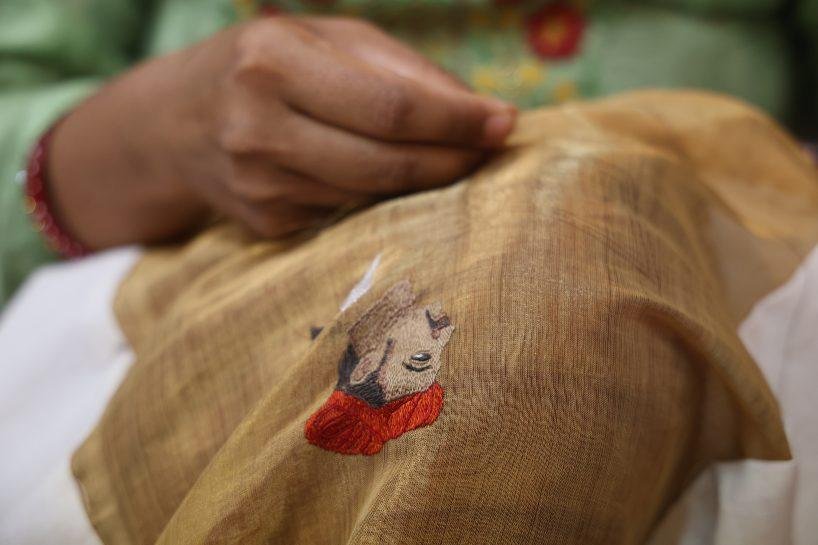
Unlike ordinary embroidery, the Chamba Rumal is famous for its distinctive double satin stitch, which creates identical patterns on both sides of the fabric. Traditional designs often depict scenes from the Mahabharata, Ramayana, Krishna legends, local folklore, floral motifs, and everyday village life.
Recognized by UNESCO as part of the Intangible Cultural Heritage of Humanity and protected with a Geographical Indication (GI) tag, the Chamba Rumal remains one of Himachal Pradesh’s most celebrated handicrafts.
Today, visitors can purchase authentic pieces from government-authorized handicraft outlets and reputable artisan cooperatives, helping preserve this centuries-old tradition while supporting local craftspeople.
Traditional Wood Carving
The forests surrounding Dalhousie and Chamba have inspired generations of skilled woodworkers. Local artisans continue to produce beautifully carved decorative and functional items using traditional techniques passed down through families.
Common examples include:
- Decorative wooden panels
- Temple-style carvings
- Jewelry boxes
- Photo frames
- Walking sticks
- Home décor
- Handcrafted furniture
Many of these products reflect Himalayan motifs inspired by nature, religion, and mountain life.
Metal Crafts and Temple Art
Chamba also has a long history of metal craftsmanship, particularly in the creation of religious artifacts and ceremonial objects.
Visitors may encounter beautifully crafted:
- Brass lamps
- Temple bells
- Ritual utensils
- Copper vessels
- Decorative statues
- Traditional household items
These handcrafted pieces continue to play an important role in local religious and cultural practices while preserving centuries of artisan skills.
Heritage Architecture
Architecture provides another fascinating window into Himachali culture in Dalhousie and the surrounding region.
While Dalhousie is known for its colonial-era churches, charming bungalows, and British-era buildings, nearby Chamba showcases traditional Himalayan architecture through:
- Ancient stone temples
- Intricately carved wooden structures
- Historic palaces
- Traditional village homes
- Heritage gateways
Walking through these heritage areas reveals how local architecture evolved to suit mountain terrain, harsh winters, and available natural materials.
Taste Authentic Himachali Cuisine
Food is one of the most rewarding ways to experience a destination’s culture, and Himachali culture in Dalhousie is no exception. The cuisine of the Chamba region reflects the simplicity of mountain life while offering rich flavors created from locally grown grains, lentils, dairy products, seasonal vegetables, and aromatic spices.
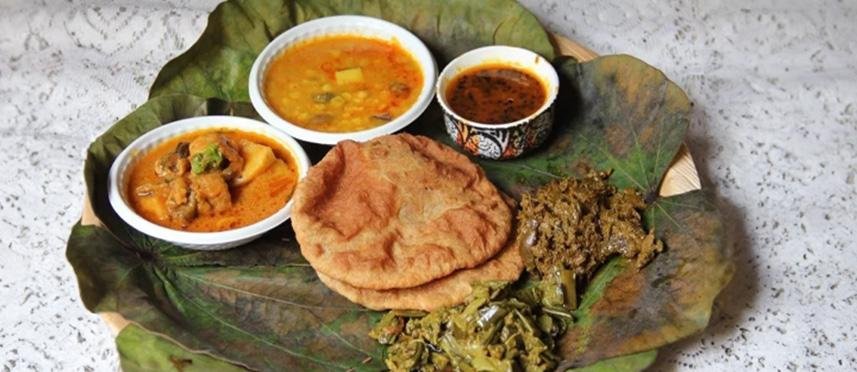
Rather than focusing on elaborate presentation, Himachali cooking emphasizes fresh ingredients, slow preparation, and recipes that have been passed down through generations.
Although many cafés in Dalhousie serve popular North Indian and international dishes, travelers interested in regional flavors should look for restaurants, local eateries, homestays, or special cultural food events that occasionally feature authentic Himachali meals.
Chana Madra
Perhaps the most iconic dish of Himachal Pradesh, Chana Madra is prepared using chickpeas simmered in a rich yogurt-based gravy flavored with cardamom, cloves, cinnamon, cumin, and other aromatic spices.
The creamy texture and mild spice profile make it one of the most recognizable dishes served during traditional Himachali celebrations.
Siddu
Siddu is a steamed wheat bread popular in many parts of Himachal Pradesh. Traditionally prepared using fermented dough, it may be filled with ingredients such as poppy seeds, walnuts, or lentils before steaming.
Served with ghee, dal, or vegetable curries, Siddu is both hearty and comforting, particularly during cooler weather.
Babru
Often compared to stuffed kachoris, Babru consists of deep-fried wheat bread filled with a flavorful black gram paste.
It’s commonly enjoyed as a breakfast item or evening snack and pairs well with chutneys or potato curry.
Tudkiya Bhath
This traditional rice preparation combines rice with lentils, vegetables, potatoes, yogurt, and carefully selected spices.
Although recipes vary from region to region, Tudkiya Bhath remains a comforting meal that showcases the wholesome nature of Himachali cuisine.
Chha Gosht
For non-vegetarian travelers, Chha Gosht is among the region’s most celebrated meat dishes.
Tender pieces of mutton are slowly cooked in a yogurt-based gravy enriched with gram flour and aromatic spices, creating a rich yet balanced flavor.
Mittha
No traditional Himachali feast is complete without dessert.
Mittha is a sweet rice preparation made using saffron, raisins, almonds, and dry fruits. It is frequently served during festivals, weddings, and special family celebrations.
Local Pickles, Chutneys, and Seasonal Delicacies
Many households across Himachal prepare homemade accompaniments using locally available fruits, herbs, and spices.
Depending on the season, visitors may come across:
- Fruit preserves
- Homemade pickles
- Mint chutneys
- Walnut chutneys
- Herbal teas
- Local honey
These products also make excellent souvenirs that reflect the flavors of the region.
Traditional Himachali Dishes at a Glance
| Dish | Type | Main Ingredients | Traditionally Served During |
| Chana Madra | Vegetarian | Chickpeas, yogurt, spices | Festivals and celebrations |
| Siddu | Bread | Wheat flour, fermented dough | Winter meals |
| Babru | Snack | Wheat flour, black gram | Breakfast and evening snacks |
| Tudkiya Bhath | Rice Dish | Rice, vegetables, yogurt | Family meals |
| Chha Gosht | Non-Vegetarian | Mutton, yogurt, spices | Special occasions |
| Mittha | Dessert | Sweet rice, dry fruits | Festivals and weddings |
Visit Temples and Spiritual Heritage Sites
Religion has long played an important role in shaping Himachali culture in Dalhousie and the Chamba region. Ancient temples, sacred shrines, and pilgrimage sites continue to serve as places of worship while preserving centuries of architecture, craftsmanship, and local traditions.
Whether or not you’re a religious traveler, these historic sites offer valuable insight into the region’s cultural identity.
Chamunda Devi Temple
Located near Dalhousie, Chamunda Devi Temple is one of the region’s most visited spiritual destinations.
Dedicated to Goddess Chamunda, the temple attracts devotees throughout the year while also offering beautiful views of the surrounding valleys.
Visitors appreciate both its peaceful atmosphere and its cultural significance within the local community.
Visitor Tips
- Dress modestly.
- Remove footwear before entering.
- Maintain silence inside the temple premises.
- Always seek permission before photographing people or rituals.
Lakshmi Narayan Temple, Chamba
One of the oldest and most important temple complexes in Himachal Pradesh, the Lakshmi Narayan Temple dates back to the 10th century.
Built in the classic North Indian Shikhara style, the complex consists of several temples dedicated to Lord Vishnu and Lord Shiva.
Its remarkable stone architecture, intricate carvings, and historical significance make it a must-visit destination for anyone interested in regional heritage.
Bhalei Mata Temple
Situated near Bhalei village in Chamba district, Bhalei Mata Temple is an important pilgrimage site dedicated to Goddess Bhadrakali.
The temple is especially lively during annual fairs, when devotees gather to celebrate local traditions and religious customs.
Its hilltop location also provides scenic views of the surrounding mountains.
St. John’s Church, Dalhousie
Although this guide focuses primarily on Himachali culture in Dalhousie, the town’s colonial history also forms an important part of its cultural landscape.
Built in 1863, St. John’s Church is the oldest church in Dalhousie and reflects the town’s British-era heritage through its elegant stone architecture and stained-glass windows.
Its peaceful setting makes it an excellent stop while exploring the town’s historic center.
Temple Etiquette
Before visiting any religious site, remember a few simple guidelines:
- Wear respectful clothing.
- Remove shoes where required.
- Speak quietly inside temple premises.
- Avoid blocking pathways during prayers.
- Ask permission before photographing worshippers.
- Respect local customs and rituals.
These small gestures demonstrate appreciation for local traditions while helping preserve the spiritual atmosphere of these historic places.
Discover Local Markets and Traditional Handicrafts
One of the easiest ways to experience Himachali culture in Dalhousie is by spending time in its local markets. Beyond shopping, these lively streets offer a glimpse into daily mountain life, where local shopkeepers, artisans, and family-run businesses continue traditions that have been preserved for generations.
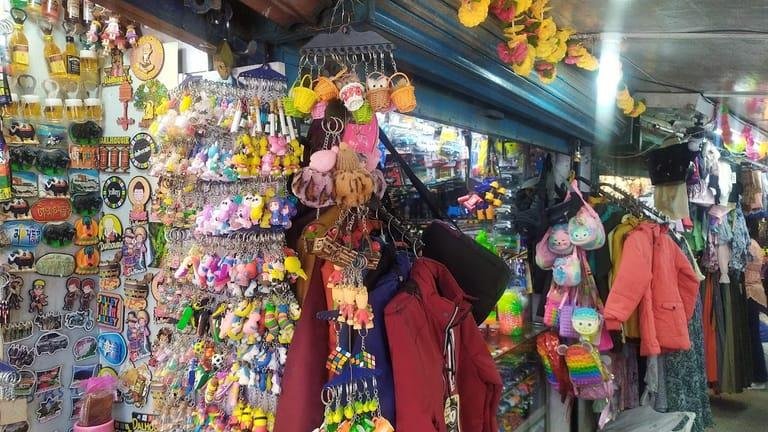
Unlike large commercial shopping districts, Dalhousie’s markets are compact, walkable, and filled with regional products that reflect the heritage of the Chamba region.
Gandhi Chowk
Often regarded as the heart of Dalhousie, Gandhi Chowk is where many visitors begin exploring the town. Alongside cafés and bakeries, you’ll find shops selling woollen clothing, handmade souvenirs, local handicrafts, and regional food products.
It’s an excellent place to experience the relaxed pace of mountain life while interacting with local business owners.
Subhash Chowk
A short walk from Gandhi Chowk, Subhash Chowk offers a quieter shopping experience. Visitors can browse stores selling handcrafted gifts, traditional textiles, decorative items, and locally produced products while enjoying beautiful mountain views.
The area is also home to several heritage buildings and churches, making it a pleasant stop during a walking tour of Dalhousie.
Tibetan Market
The Tibetan Market brings another cultural dimension to the town. Here you’ll find colourful prayer flags, handcrafted jewellery, woollen garments, bags, home décor, and Tibetan-inspired handicrafts.
While shopping, take time to appreciate the craftsmanship behind these products and support vendors selling handmade items whenever possible.
Choosing Authentic Souvenirs
If you’re looking for meaningful keepsakes, consider purchasing products that reflect the traditions of the region.
Popular souvenirs include:
- Chamba Rumal embroidery
- Himachali woollen shawls
- Wooden handicrafts
- Handmade jewellery
- Local honey
- Fruit preserves and pickles
- Herbal products
- Decorative wooden souvenirs
- Handcrafted home décor
Buying directly from artisan cooperatives or government-authorized handicraft outlets helps support local craftspeople and preserve traditional skills.
Experience Local Festivals and Folk Traditions
Festivals play an important role in preserving Himachali culture in Dalhousie and the surrounding Chamba district. These celebrations bring communities together through music, dance, religious ceremonies, traditional clothing, and local cuisine.
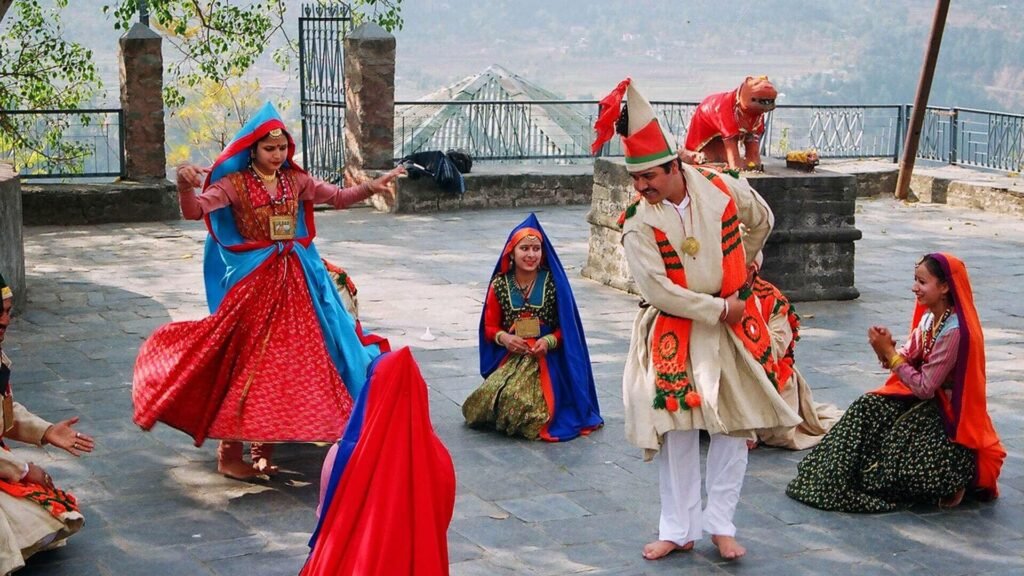
If your visit coincides with one of these festivals, you’ll gain a deeper understanding of the region’s cultural heritage.
Minjar Festival
The Minjar Festival, celebrated in Chamba during July or August, is among the district’s most famous cultural events.
Dating back several centuries, the festival celebrates the harvest season and the blessings of the Ravi River. Processions, cultural performances, traditional attire, handicraft exhibitions, and local food stalls create a vibrant atmosphere throughout the town.
Suhi Mata Festival
The Suhi Mata Festival is another important celebration unique to Chamba. Dedicated to Queen Sunayana, who is remembered for her sacrifice according to local tradition, the festival reflects the region’s deep respect for its historical legends.
Women participate in traditional processions, devotional songs, and community gatherings that have been preserved for generations.
Folk Music and Dance
Music remains an essential part of celebrations across Himachal Pradesh.
Traditional performances may include:
- Folk songs celebrating village life
- Devotional music
- Drum performances
- Wind instruments used during festivals
- Regional dance forms performed during community celebrations
While Nati is most strongly associated with central Himachal Pradesh, visitors may occasionally see it performed during larger cultural events or tourism festivals alongside other regional folk dances.
Cultural Tip
Instead of viewing festivals only as entertainment, observe them respectfully as important community traditions. Dress modestly, avoid interrupting ceremonies, and always ask permission before photographing performers or devotees.
Respecting Local Customs and Practicing Responsible Tourism
Responsible travel allows visitors to experience Himachali culture in Dalhousie while helping preserve the traditions and landscapes that make the destination unique.
Simple actions can have a meaningful impact.
Respect Local Customs
- Dress appropriately when visiting temples.
- Remove footwear where required.
- Speak softly inside religious sites.
- Follow local guidance during festivals.
- Avoid touching religious objects without permission.
Support Local Communities
Whenever possible:
- Buy directly from local artisans.
- Choose locally made products instead of mass-produced souvenirs.
- Eat regional dishes prepared by local businesses.
- Hire local guides for cultural tours.
Protect the Environment
Dalhousie’s natural beauty is closely connected to its cultural heritage.
Remember to:
- Carry reusable water bottles.
- Dispose of waste responsibly.
- Stay on marked walking trails.
- Avoid disturbing wildlife.
- Respect village privacy.
Responsible tourism ensures future visitors can enjoy these authentic cultural experiences while helping local communities benefit from sustainable travel.
Suggested Cultural Itinerary for Dalhousie
One-Day Cultural Experience
Morning
- Visit St. John’s Church
- Walk through Gandhi Chowk
- Browse local handicraft shops
Afternoon
- Enjoy authentic Himachali cuisine
- Explore the Tibetan Market
- Visit Subhash Chowk
Evening
- Relax at a local café
- Watch the sunset from a nearby viewpoint
- Return to your accommodation
Two-Day Cultural Journey
Day One
- Gandhi Chowk
- Tibetan Market
- St. John’s Church
- Local food experience
- Evening walk around Dalhousie
Day Two
- Day trip to Chamba
- Lakshmi Narayan Temple
- Bhuri Singh Museum
- Handicraft shopping
- Return to Dalhousie
This itinerary combines heritage, food, shopping, and history without rushing, allowing visitors to appreciate the region at a relaxed pace.
Where to Stay for an Authentic Himachali Experience
Experiencing Himachali culture in Dalhousie isn’t limited to the places you visit—it also depends on where you choose to stay. A peaceful accommodation surrounded by nature allows you to slow down, appreciate the mountain atmosphere, and connect more deeply with the local way of life.
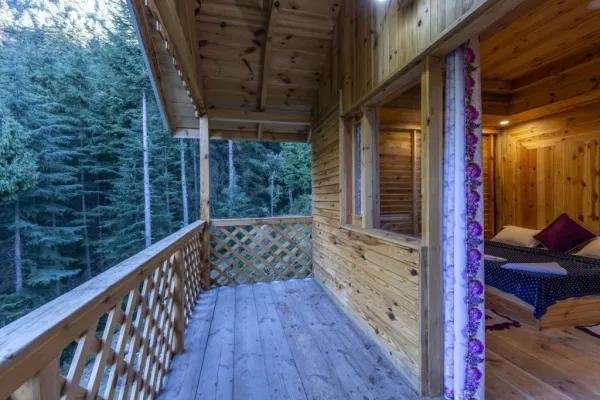
Located amidst the forests of Dalhousie, EVA Cabins offers private cabins designed for travelers seeking comfort, tranquillity, and easy access to the region’s cultural attractions. Whether you’re planning a visit to Chamba’s historic temples, exploring local markets, or discovering traditional handicrafts, the location provides a convenient base for cultural exploration.
Guests can enjoy:
- Comfortable private cabins
- Peaceful forest surroundings
- Fresh mountain air
- Forest-view dining
- Personalized hospitality
- Easy access to Dalhousie and Chamba attractions
After a day of discovering local traditions, relaxing in a quiet mountain setting offers the perfect way to reflect on your experiences and prepare for another day of exploration.
Conclusion
The true beauty of Himachali culture in Dalhousie lies not only in its monuments or festivals but in the everyday traditions that continue to shape life across the Chamba region. From centuries-old temples and intricate Chamba Rumal embroidery to authentic mountain cuisine, lively local markets, and warm hospitality, every experience offers a deeper connection with the people and heritage of Himachal Pradesh.
Rather than rushing from one attraction to another, take time to explore local customs, support skilled artisans, savour regional flavours, and interact respectfully with the communities that make this destination so special. These meaningful encounters often become the most memorable part of any journey.
Whether you’re visiting for a weekend or planning a longer mountain escape, embracing the local culture will help you discover a side of Dalhousie that many travelers overlook. Combined with a peaceful stay surrounded by nature, your journey becomes more than just a holiday—it becomes an authentic cultural experience.
Experience the Heart of Himachal with EVA Cabins
Every destination has its famous landmarks, but the most meaningful memories often come from experiencing its people, traditions, and way of life. From exploring heritage temples and shopping for handcrafted souvenirs to tasting authentic Himachali cuisine and learning about the artistic legacy of Chamba, Dalhousie offers cultural experiences that stay with you long after your trip ends.
At EVA Cabins, you’ll find more than just comfortable accommodation. Surrounded by peaceful forests and fresh mountain air, our private cabins provide the perfect base for discovering the rich heritage of Dalhousie and the Chamba region at your own pace. Whether you’re planning a cultural getaway, a family vacation, or a relaxing mountain retreat, EVA Cabins helps you experience the authentic spirit of Himachal Pradesh while enjoying comfort, tranquillity, and warm hospitality.
Plan your stay with EVA Cabins and discover how every journey becomes more rewarding when you connect with the local culture.