
Hidden Waterfalls in Chamba District You Need to Visit: A Complete Nature Lover’s Guide
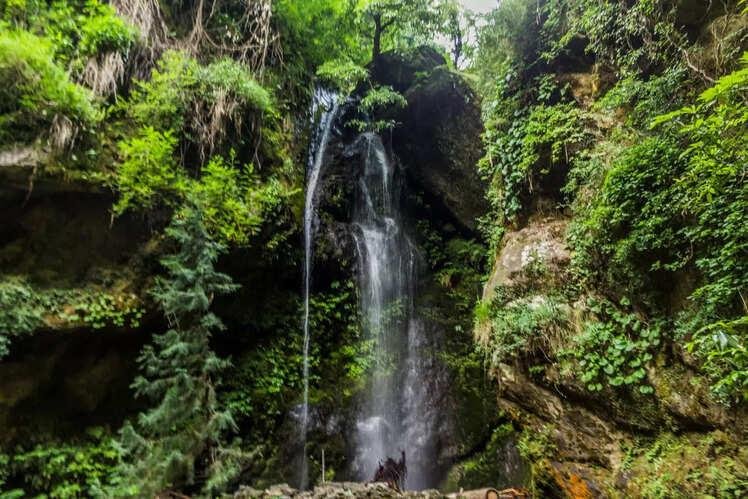
There’s something magical about discovering a place that feels untouched by time. While Himachal Pradesh is famous for bustling hill stations and postcard-perfect viewpoints, its quieter corners often leave the deepest impression. Among these hidden gems are the hidden waterfalls in Chamba district, where crystal-clear streams tumble through dense forests, rocky cliffs, and peaceful valleys far from the usual tourist crowds.
Spread across the northwestern Himalayas, Chamba district is blessed with snow-fed rivers, pine and deodar forests, and rugged mountain terrain that naturally gives rise to countless waterfalls. Some are well-known stops near Dalhousie, while others appear only during the monsoon or remain tucked away along scenic mountain roads and forest trails. Together, they offer a refreshing escape for nature lovers, photographers, families, and anyone looking to experience Himachal Pradesh beyond the typical sightseeing circuit.
Whether you’re planning a weekend getaway or a longer mountain holiday, exploring the hidden waterfalls in Chamba district is a wonderful way to slow down, reconnect with nature, and discover the quieter side of the Himalayas. This guide covers the best waterfalls to visit, the ideal seasons to travel, practical tips, and suggested itineraries to help you make the most of your journey.
Why Chamba District Is Home to Some of Himachal Pradesh’s Most Beautiful Hidden Waterfalls
Unlike many popular hill destinations that are known primarily for viewpoints and bustling markets, Chamba district is shaped by its rugged Himalayan landscape. Snow-fed streams descend from higher elevations, seasonal rainfall feeds countless mountain rivulets, and dense forests create an environment where waterfalls thrive throughout much of the year. This unique geography makes the region one of the most rewarding places for travelers seeking peaceful natural attractions.
One of the reasons the hidden waterfalls in Chamba district remain so appealing is their relatively untouched character. Many lie away from commercial tourist hubs, allowing visitors to enjoy the soothing sound of flowing water without large crowds. Instead of concrete viewpoints and busy parking areas, you’ll often find forest paths, wooden bridges, wildflowers, and panoramic mountain scenery.
Several of these waterfalls can easily be combined with popular attractions such as Dalhousie, Khajjiar, Kalatop Wildlife Sanctuary, Panchpula, and Chamera Lake. This makes them ideal additions to a day trip while still offering a sense of exploration beyond the standard tourist itinerary.
Nature photographers particularly appreciate the variety of landscapes surrounding these waterfalls. Moss-covered rocks, towering deodar trees, misty forest trails, and crystal-clear streams create excellent opportunities for photography throughout the year. During spring and autumn, pleasant weather and clear skies provide especially beautiful lighting, while the monsoon transforms the forests into vibrant green landscapes with dramatically increased water flow.
Beyond their scenic beauty, these waterfalls also support diverse local ecosystems. The surrounding forests are home to numerous bird species, butterflies, and native Himalayan vegetation. Visitors may spot colorful woodland birds, hear the calls of Himalayan wildlife, or simply enjoy the peaceful atmosphere created by flowing water and rustling pine trees.
Perhaps the greatest attraction of exploring the hidden waterfalls in Chamba district is the feeling of discovery. Instead of following crowded sightseeing routes, travelers have the opportunity to experience quiet valleys, scenic mountain roads, and lesser-known corners of Himachal Pradesh that still retain their natural charm.
As tourism continues to grow across the Himalayas, these beautiful locations remind us of the importance of responsible travel. Staying on designated paths, respecting local communities, and carrying all waste back with you helps preserve these fragile ecosystems so future visitors can enjoy them just as they are today.
Best Time to Visit Hidden Waterfalls in Chamba District
Although the hidden waterfalls in Chamba district can be visited throughout much of the year, each season offers a different experience. Weather conditions, water flow, accessibility, and surrounding landscapes change significantly between spring, summer, monsoon, autumn, and winter. Choosing the right season depends on the type of experience you’re looking for.
| Season | Weather | Water Flow | Accessibility | Photography | Recommended |
| Spring (March–April) | Pleasant and cool | Moderate | Excellent | Blooming forests | ⭐⭐⭐⭐⭐ |
| Summer (May–June) | Mild and comfortable | Good | Excellent | Clear mountain views | ⭐⭐⭐⭐⭐ |
| Monsoon (July–September) | Frequent rainfall | Highest | Moderate | Dramatic waterfalls | ⭐⭐⭐⭐ |
| Autumn (October–November) | Crisp and clear | Moderate | Excellent | Vibrant landscapes | ⭐⭐⭐⭐⭐ |
| Winter (December–February) | Cold, occasional snowfall | Lower at some sites | Variable | Snow-covered scenery | ⭐⭐⭐⭐ |
Spring (March to April)
Spring is one of the finest seasons to explore Chamba’s natural landscapes. Snow begins melting at higher elevations, feeding mountain streams and revitalizing many waterfalls. Forests become lush with fresh foliage, while blooming wildflowers add vibrant colors to the trails.
Comfortable temperatures make spring ideal for leisurely walks, photography, and family outings. The pleasant weather also allows visitors to combine waterfall visits with nearby attractions like Khajjiar, Panchpula, or Kalatop Wildlife Sanctuary without worrying about extreme temperatures.
Summer (May to June)
Summer is the busiest travel season in Dalhousie and the surrounding region, yet the mountain climate remains pleasantly cool compared to the plains. Waterfalls continue to flow steadily thanks to snowmelt, and long daylight hours provide plenty of time for sightseeing.
This season is perfect for travelers planning scenic drives through Chamba district, short forest walks, and relaxed picnics near accessible waterfalls. Families, couples, and first-time visitors particularly enjoy the comfortable conditions.
Monsoon (July to September)
During the monsoon, the hidden waterfalls in Chamba district become especially spectacular. Heavy rainfall transforms seasonal streams into powerful cascades, while forests turn an intense shade of green. Waterfalls that remain modest during summer often reach their most impressive flow during these months.
However, monsoon travel also requires extra caution. Trails can become slippery, mountain roads may occasionally experience landslides, and water levels can rise quickly after heavy rain. Always check local weather updates before setting out and avoid venturing too close to fast-moving water.
Autumn (October to November)
Autumn is often considered the best season for exploring Chamba’s waterfalls. The rains have refreshed the landscape, the skies are generally clear, and temperatures remain comfortable for outdoor activities.
Photographers especially appreciate this season because of the crisp visibility, soft natural light, and colorful forests. Water levels remain healthy in many waterfalls, creating a perfect balance between accessibility and scenic beauty.
Winter (December to February)
Winter offers a completely different perspective on Chamba’s natural attractions. While some seasonal waterfalls reduce in volume, perennial streams continue to flow through peaceful, snow-dusted landscapes.
Visitors who enjoy quiet mountain holidays often appreciate the serenity of winter. If weather conditions allow, combining waterfall visits with Dalhousie’s snow-covered viewpoints creates an unforgettable Himalayan experience. Before traveling, always check road conditions and dress appropriately for cold temperatures.
Hidden Waterfalls in Chamba District You Shouldn’t Miss
The hidden waterfalls in Chamba district include both well-known natural attractions and lesser-known seasonal cascades that appear after rainfall or snowmelt. While not every waterfall has an official name, the region’s valleys, forests, and mountain roads are dotted with beautiful streams that make excellent stops for nature lovers and photographers.
Before visiting, remember that water flow varies throughout the year. During the monsoon, many seasonal waterfalls become spectacular, while in winter some reduce to gentle streams. Always check local weather and road conditions before planning your trip.
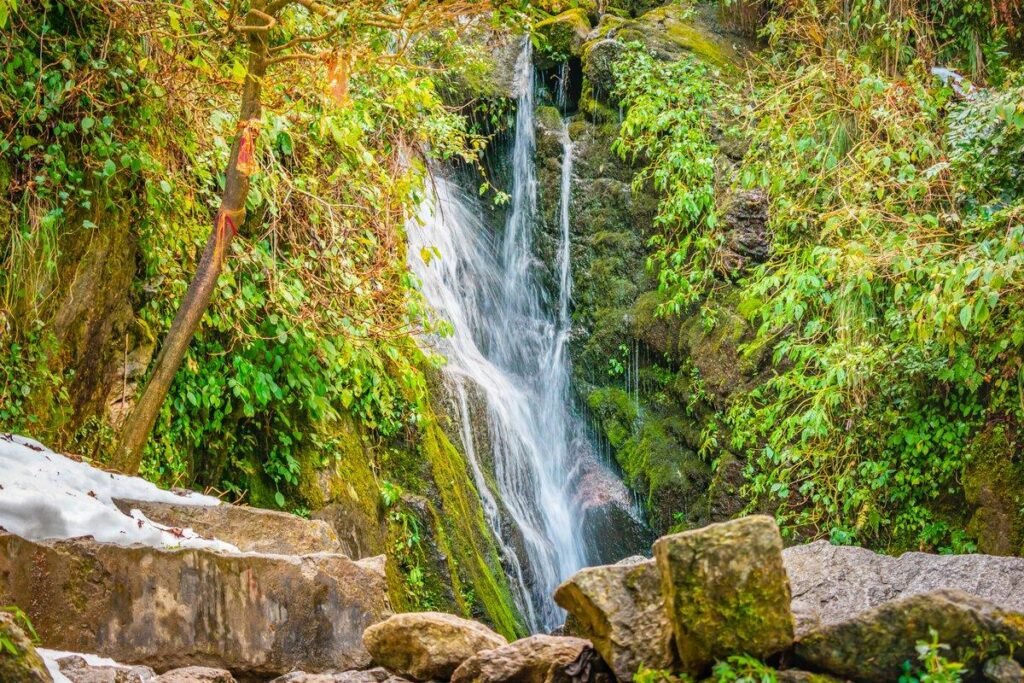
Satdhara Falls (Dalhousie)
Location
Approximately 2 km from Gandhi Chowk, Dalhousie, near Panchpula.
How to Reach
Drive or walk towards Panchpula. A short paved path leads directly to the waterfall.
Distance from Dalhousie
Around 2 km
Best Time to Visit
March to June and September to November.
Accessibility
⭐⭐⭐⭐⭐ Easy
Nearby Attractions
- Panchpula
- Gandhi Chowk
- Garam Sadak
- St. John’s Church
Photography Tips
Morning hours provide softer lighting and fewer visitors. Wide-angle shots beautifully capture the surrounding pine forest along with the cascading water.
Safety Tips
- Wear shoes with good grip.
- Avoid climbing wet rocks.
- Be cautious during heavy rainfall.
Why Visit?
Although Satdhara Falls is among Dalhousie’s better-known natural attractions, it still offers a refreshing escape surrounded by lush greenery. The name translates to “Seven Springs,” referring to the seven freshwater streams believed to merge here. The easy accessibility makes it ideal for families, couples, and travelers looking for a peaceful walk without undertaking a strenuous hike.
Seasonal Cascades Around Panchpula
Location
Panchpula area, Dalhousie.
How to Reach
Accessible by road from Dalhousie followed by short walking trails.
Distance from Dalhousie
Approximately 3 km
Best Time
July to October.
Accessibility
⭐⭐⭐⭐ Easy
Nearby Attractions
- Satdhara Falls
- Panchpula Bridge
- Memorial of Sardar Ajit Singh
Photography Tips
Visit shortly after rainfall to capture the streams at their fullest.
Safety Tips
Stay on designated paths and avoid slippery stream crossings.
Why Visit?
Beyond the famous Panchpula bridge, several small seasonal waterfalls appear during and after the monsoon. These charming cascades flow through forested slopes and rocky terrain, creating peaceful picnic spots that many visitors overlook while heading directly to the main attraction.
Forest Streams Near Kalatop Wildlife Sanctuary
Location
Kalatop Wildlife Sanctuary.
How to Reach
Drive to Lakkar Mandi or Kalatop Forest Rest House and explore the marked forest trails.
Distance from Dalhousie
Approximately 8 km
Best Time
March to November.
Accessibility
⭐⭐⭐⭐ Easy to Moderate
Nearby Attractions
- Kalatop Wildlife Sanctuary
- Lakkar Mandi
- Khajjiar
Photography Tips
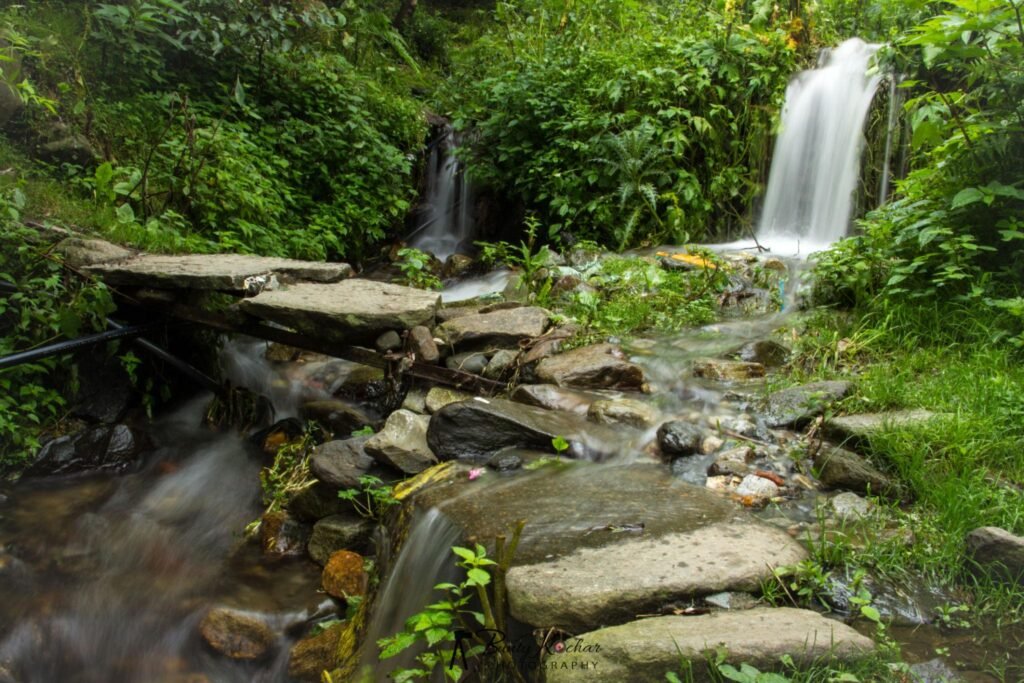
Carry a wide-angle lens to include the towering deodar forests along with the flowing streams.
Safety Tips
- Stay on marked trails.
- Avoid disturbing wildlife.
- Do not enter forest areas after sunset.
Why Visit?
Rather than featuring one dramatic waterfall, Kalatop is home to several natural streams and small cascades flowing through dense cedar and deodar forests. The peaceful atmosphere, fresh mountain air, and occasional wildlife sightings make this one of the most rewarding nature experiences in Chamba district.
Seasonal Waterfalls Around Chamera Lake
Location
Road connecting Dalhousie, Chamba, and Chamera Lake.
How to Reach
Accessible by road.
Distance from Dalhousie
Approximately 30 km
Best Time
July to October.
Accessibility
⭐⭐⭐⭐⭐ Easy
Nearby Attractions
- Chamera Lake
- Boating Point
- Chamera Dam Viewpoints
Photography Tips
Cloud-covered hills during late monsoon create dramatic landscape compositions.
Safety Tips
Never stop on blind mountain curves while photographing roadside waterfalls.
Why Visit?
During the monsoon, numerous unnamed waterfalls appear along the mountain slopes surrounding Chamera Lake. While most are seasonal, they create breathtaking scenery that transforms the drive itself into a memorable experience. These roadside cascades are among the most photogenic natural attractions in the district.
Saho Valley Seasonal Waterfalls
Location
Saho Valley, near Chamba town.
How to Reach
Drive from Chamba towards Saho village.
Distance from Dalhousie
Approximately 58 km
Best Time
July to October.
Accessibility
⭐⭐⭐⭐ Easy
Nearby Attractions
- Saho Village
- Chandrashekhar Temple
- Ravi River
Photography Tips
Capture the waterfalls with surrounding terraced fields and mountain villages for authentic Himalayan scenery.
Safety Tips
Roads may become slippery after heavy rain.
Why Visit?
Saho Valley is famous for its traditional villages and scenic landscapes. During the rainy season, numerous streams descend from nearby hills, creating beautiful temporary waterfalls that remain largely unexplored by mainstream tourists.
Bhandal Valley Streams and Seasonal Waterfalls
Location
Bhandal Valley.
How to Reach
Accessible via Chamba through mountain roads.
Distance from Dalhousie
Approximately 90 km
Best Time
July to October.
Accessibility
⭐⭐⭐ Moderate
Nearby Attractions
- Bhandal Wildlife Sanctuary region
- Forest villages
- Ravi River valley
Photography Tips
Morning mist often creates magical forest scenes.
Safety Tips
Travel only during daylight hours and check road conditions before departure.
Why Visit?
Bhandal Valley is one of Chamba’s least explored regions. Numerous seasonal streams form beautiful waterfalls after rainfall, surrounded by dense forests and quiet mountain villages. The journey itself is as rewarding as the destination.
Tissa Region Waterfalls
Location
Near Tissa town.
How to Reach
Drive from Chamba via State Highway.
Distance from Dalhousie
Approximately 115 km
Best Time
July to September.
Accessibility
⭐⭐⭐ Moderate
Nearby Attractions
- Tissa Valley
- Scenic viewpoints
- Traditional Himalayan villages
Photography Tips
Visit after rainfall when waterfalls flow at their strongest.
Safety Tips
Drive carefully, especially during the monsoon season.
Why Visit?
The Tissa region is known for its rugged terrain and numerous mountain streams. Several unnamed waterfalls emerge after seasonal rains, creating spectacular roadside scenery that remains relatively unknown outside the local area.
Waterfalls Along the Sach Pass Route
Location
Road to Sach Pass.
How to Reach
Accessible only when the Sach Pass road is officially open, typically during summer and early autumn.
Distance from Dalhousie
Approximately 150 km
Best Time
June to September.
Accessibility
⭐⭐⭐ Moderate (road journey)
Nearby Attractions
- Sach Pass
- Pangi Valley
- Snow-fed mountain streams
Photography Tips
Carry a telephoto lens to capture waterfalls cascading down steep cliffs.
Safety Tips
Always check official road status before traveling. Weather conditions can change rapidly at high altitudes.
Why Visit?
The drive towards Sach Pass is one of Himachal Pradesh’s most scenic mountain journeys. Throughout the route, countless snow-fed waterfalls tumble down rocky cliffs, especially during summer when snow begins melting and after monsoon showers.
Kugti Valley Mountain Streams
Location
Near Kugti Village, Bharmour region.
How to Reach
Drive to Bharmour, followed by local roads toward Kugti village.
Distance from Dalhousie
Approximately 175 km
Best Time
May to October.
Accessibility
⭐⭐⭐ Moderate
Nearby Attractions
- Kugti Village
- Kugti Wildlife Sanctuary
- Manimahesh trekking route
Photography Tips
Combine alpine landscapes with flowing streams for dramatic Himalayan compositions.
Safety Tips
Carry drinking water, warm clothing, and travel during daylight.
Why Visit?
Although Kugti Valley is better known for trekking, the surrounding landscape features beautiful mountain streams and small waterfalls flowing through untouched alpine scenery. The peaceful environment makes it a rewarding destination for experienced travelers seeking remote Himalayan landscapes.
Quick Comparison of the Best Hidden Waterfalls in Chamba District
| Waterfall / Area | Best Season | Accessibility | Suitable For |
| Satdhara Falls | Mar–Jun, Sep–Nov | Easy | Families, Couples |
| Panchpula Seasonal Cascades | Jul–Oct | Easy | Families |
| Kalatop Forest Streams | Mar–Nov | Easy–Moderate | Nature Lovers |
| Chamera Region Waterfalls | Jul–Oct | Easy | Photographers |
| Saho Valley | Jul–Oct | Easy | Weekend Travelers |
| Bhandal Valley | Jul–Oct | Moderate | Adventure Travelers |
| Tissa Region | Jul–Sep | Moderate | Explorers |
| Sach Pass Route | Jun–Sep | Moderate | Road Trip Enthusiasts |
| Kugti Valley | May–Oct | Moderate | Experienced Nature Lovers |
Tips for Visiting Waterfalls Responsibly
Exploring the hidden waterfalls in Chamba district is a rewarding experience, but these natural spaces remain beautiful only when visitors treat them with care. Many of the waterfalls mentioned in this guide are located in fragile forest ecosystems or close to rural communities, making responsible travel essential.
Follow these simple guidelines to ensure your visit has a positive impact:
- Carry all your waste back with you, including plastic bottles and food wrappers.
- Stay on marked trails to protect vegetation and reduce soil erosion.
- Wear sturdy hiking or trekking shoes with good grip, especially after rainfall.
- Avoid climbing wet rocks or standing near cliff edges for photographs.
- Respect wildlife by keeping noise to a minimum and never feeding animals.
- Check the weather forecast before heading out, particularly during the monsoon season.
- If you’re exploring remote valleys, consider hiring a local guide who knows the terrain.
- Support local cafés, homestays, and small businesses whenever possible.
- Leave every location exactly as you found it so future visitors can enjoy the same experience.
Responsible tourism helps preserve the hidden waterfalls in Chamba district while supporting the local communities that care for these landscapes.
Suggested One-Day and Two-Day Waterfall Itineraries
One-Day Waterfall Trail from Dalhousie
If you’re staying in Dalhousie, this relaxed itinerary lets you experience waterfalls alongside some of the region’s most popular attractions.
Morning
- Breakfast in Dalhousie
- Visit Satdhara Falls
- Walk around Panchpula
- Enjoy scenic viewpoints
Afternoon
- Drive to Kalatop Wildlife Sanctuary
- Explore forest trails and seasonal mountain streams
- Lunch at a local café or picnic spot
Evening
- Visit Khajjiar
- Capture sunset photographs
- Return to Dalhousie for dinner
Perfect for: Families, couples, photographers, and weekend travelers.
Two-Day Waterfall Adventure
Day One
- Satdhara Falls
- Panchpula
- Kalatop Wildlife Sanctuary
- Khajjiar
- Overnight stay in Dalhousie
Day Two (Option A)
- Chamera Lake
- Seasonal waterfalls around Chamera
- Chamba Town
- Bhuri Singh Museum
Day Two (Option B)
- Saho Valley
- Seasonal waterfalls
- Riverside viewpoints
- Return to Dalhousie
Travelers with extra time can also plan longer excursions toward the Sach Pass route, Tissa Valley, or Kugti Valley, where remote mountain scenery and seasonal waterfalls offer a more adventurous experience.
Where to Stay While Exploring Chamba’s Hidden Waterfalls
Because the hidden waterfalls in Chamba district are spread across different valleys and mountain routes, choosing a centrally located base can make your journey much more convenient. Dalhousie offers easy access to several nearby attractions while providing a comfortable place to unwind after a day of sightseeing.
From Dalhousie, visitors can conveniently reach Satdhara Falls, Panchpula, Kalatop Wildlife Sanctuary, Khajjiar, Chamera Lake, and scenic drives leading deeper into Chamba district. Its pleasant climate, charming colonial heritage, and forested surroundings make it one of the most enjoyable places to stay in the region.
For travelers seeking a peaceful mountain retreat, EVA Cabins offers a relaxing stay surrounded by nature. Comfortable private cabins, fresh mountain air, scenic forest views, and warm hospitality create the perfect setting to recharge after exploring waterfalls, hiking forest trails, or enjoying a day of photography.
Whether you’re planning a romantic escape, a family holiday, or a solo adventure, staying close to nature enhances the overall experience of discovering Chamba’s hidden treasures.
Conclusion
The hidden waterfalls in Chamba district showcase a quieter, less-explored side of Himachal Pradesh that rewards curious travelers with peaceful forests, sparkling mountain streams, and unforgettable Himalayan scenery. Whether you’re admiring the gentle cascades near Dalhousie, exploring seasonal waterfalls along the Chamera route, or venturing into remote valleys like Kugti and Tissa, every destination offers a unique connection with nature.
As you explore these beautiful landscapes, remember that responsible travel helps preserve them for future generations. Respect local communities, stay on designated trails, and leave no trace behind.
If you’re planning your next mountain escape, make Dalhousie your base and discover the natural beauty of Chamba at your own pace. A stay at EVA Cabins lets you enjoy peaceful forest surroundings, comfortable accommodations, and convenient access to many of the region’s most scenic waterfalls and outdoor attractions.
Frequently Asked Questions
1. Which are the best hidden waterfalls in Chamba district?
Some of the most popular include Satdhara Falls, seasonal cascades near Panchpula, forest streams in Kalatop Wildlife Sanctuary, waterfalls around Chamera Lake, Saho Valley, Tissa region, Bhandal Valley, and the scenic waterfalls along the Sach Pass route.
2. Are these waterfalls suitable for families?
Yes. Easily accessible places like Satdhara Falls and Panchpula are ideal for families, while remote valleys are better suited to experienced travelers.
3. What is the best season to visit hidden waterfalls in Chamba district?
Spring (March–April), summer (May–June), and autumn (October–November) offer pleasant weather. The monsoon provides the strongest waterfalls but requires additional caution.
4. Can I visit these waterfalls without trekking?
Many waterfalls are accessible by road with only short walks. Remote valleys such as Kugti or Bhandal may require light trekking or longer drives.
5. Are local guides necessary?
Guides are not usually required for popular locations near Dalhousie but are recommended for remote areas and unfamiliar trekking routes.
6. Which waterfalls are closest to Dalhousie?
Satdhara Falls, Panchpula’s seasonal cascades, and the forest streams around Kalatop Wildlife Sanctuary are among the nearest natural attractions.
7. Is it safe to visit waterfalls during the monsoon?
Yes, provided you monitor weather forecasts, avoid slippery rocks, and stay away from fast-flowing streams during heavy rainfall.
8. What should I pack for a waterfall trip?
Carry sturdy footwear, drinking water, snacks, a light rain jacket, sunscreen, a camera, and a basic first-aid kit.
9. Can waterfall visits be combined with trekking?
Absolutely. Many waterfalls are located close to forest trails, wildlife sanctuaries, and scenic trekking routes, making them easy to include in an outdoor itinerary.
10. Where should I stay while exploring Chamba district?
Dalhousie is one of the most convenient bases for exploring nearby waterfalls. EVA Cabins provides a peaceful stay with easy access to several of Chamba district’s top natural attractions.
Discover Chamba’s Hidden Waterfalls with EVA Cabins
Some of the most memorable travel experiences begin with stepping off the beaten path. Explore the hidden waterfalls in Chamba district, wander through peaceful forests, and discover scenic mountain landscapes that few visitors get to experience.
When the day’s adventures come to an end, unwind at EVA Cabins in Dalhousie. With comfortable private cabins, tranquil forest surroundings, and easy access to Chamba’s natural attractions, it’s the perfect place to relax before setting out on your next Himalayan adventure.