
Birdwatching in Dalhousie: A Complete Guide to Himalayan Birds & Best Birding Spots
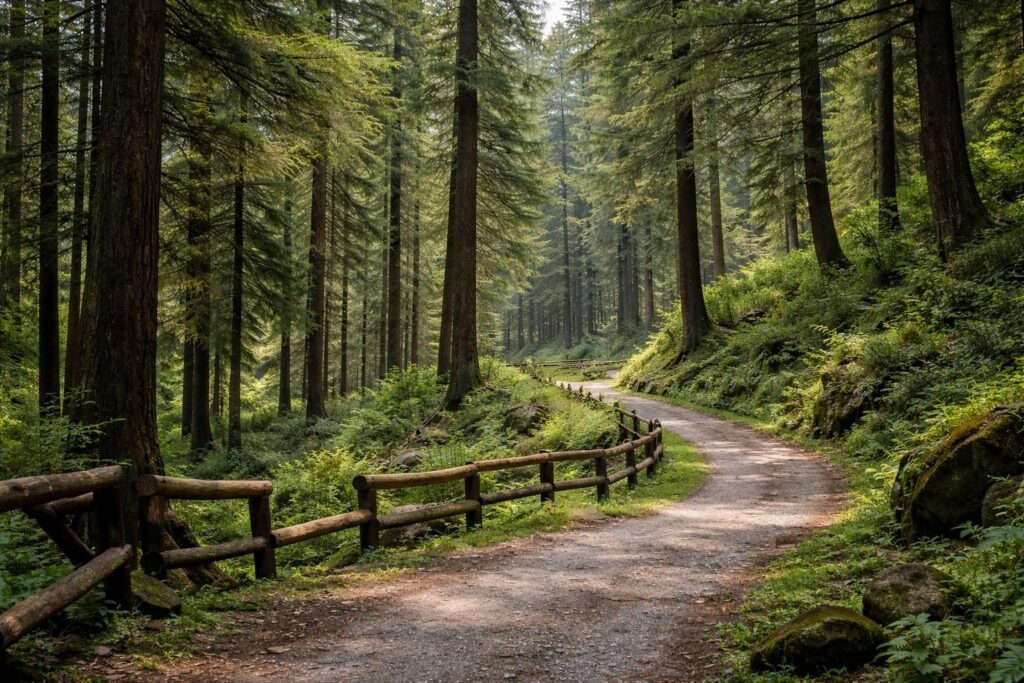
Birdwatching in Dalhousie is one of the most rewarding experiences for nature lovers visiting the Himalayas. While the hill station is widely known for its colonial charm, pine-covered landscapes, and panoramic viewpoints, it is also home to a remarkable variety of Himalayan bird species that thrive in its forests, meadows, and mountain trails. Whether you’re an experienced birder with a spotting scope or someone who simply enjoys listening to birdsong during a morning walk, Dalhousie offers countless opportunities to connect with nature.
Nestled at an altitude of approximately 1,970 metres, Dalhousie lies close to diverse habitats ranging from dense deodar and oak forests to open grasslands and protected wildlife areas. These varying ecosystems support resident birds throughout the year while also attracting seasonal visitors depending on weather and migration patterns. Early mornings often fill the forests with melodic calls, making even a leisurely stroll an unforgettable wildlife experience.
Unlike many popular birding destinations that require extensive trekking or specialised equipment, several of the best birdwatching spots in Dalhousie are easily accessible by road or short walking trails. Places such as Kalatop Wildlife Sanctuary, Khajjiar, Dainkund Peak, and the forested surroundings of Panchpula provide excellent opportunities to observe colourful flycatchers, bulbuls, pheasants, woodpeckers, doves, and many other Himalayan birds in their natural habitat.
This guide brings together everything you need to know before planning a birding trip—from the best seasons and locations to common bird species, photography tips, ethical wildlife practices, and practical travel advice. Whether your goal is identifying Himalayan birds, capturing stunning wildlife photographs, or simply enjoying peaceful mornings surrounded by nature, this comprehensive guide will help you make the most of birdwatching in Dalhousie.
Why Birdwatching in Dalhousie Is a Must for Nature Lovers
Dalhousie occupies a unique position within the lower Himalayan ecosystem, where temperate forests, mountain grasslands, and protected woodland habitats come together. This ecological diversity makes the region an attractive destination for both resident and migratory birds, creating excellent opportunities for birdwatchers throughout much of the year.
The surrounding landscapes include extensive pine, cedar, oak, and deodar forests that provide ideal nesting and feeding habitats for numerous Himalayan bird species. Open meadows around Khajjiar attract grassland birds, while wooded valleys near Kalatop Wildlife Sanctuary offer shelter to shy forest-dwelling species. Even the quieter roads and gardens around Dalhousie often surprise visitors with colourful songbirds during the early morning hours.
Several factors make birdwatching in Dalhousie especially appealing:
- Diverse forest ecosystems within a short driving distance
- Easily accessible birdwatching trails for beginners
- Rich variety of Himalayan bird species
- Excellent opportunities for wildlife photography
- Peaceful natural surroundings with minimal urban disturbance
- Pleasant climate for outdoor exploration during much of the year
- Combination of birdwatching, trekking, and scenic sightseeing
Unlike destinations where birdwatching requires multi-day expeditions, Dalhousie allows visitors to enjoy rewarding birding sessions during short hikes or even while exploring popular attractions. This makes it an excellent choice for families, photographers, eco-tourists, and travellers looking to combine wildlife experiences with a relaxing mountain holiday.
Best Seasons for Birdwatching in Dalhousie
Although birds can be observed throughout the year, the diversity of species and overall birdwatching experience varies with changing seasons, weather conditions, and food availability. Planning your visit during the right season significantly improves the chances of spotting a wide range of Himalayan birds.
| Season | Months | Bird Activity | Weather | Recommended For |
| Spring | March – April | Excellent breeding activity, vibrant bird calls, active forest birds | Pleasant and cool | Best overall birdwatching season |
| Summer | May – June | High activity in forests and meadows | Mild mornings, comfortable days | Beginners, photographers, families |
| Monsoon | July – September | Bird activity continues but visibility may reduce due to rain and mist | Wet and humid | Experienced birders with weather flexibility |
| Autumn | October – November | Clear skies and comfortable temperatures improve visibility | Crisp mornings and pleasant afternoons | Bird photography and forest walks |
| Winter | December – February | Fewer visible species at higher elevations; some birds move to lower altitudes | Cold with occasional snowfall | Dedicated birdwatchers seeking seasonal sightings |
Best Months for Birdwatching
For most visitors, March to June and October to November offer the ideal balance of favourable weather, active birdlife, and clear visibility. During these months, forest trails are easier to explore, and birds are generally more active during the early morning and late afternoon.
Regardless of the season, sightings depend on several natural factors, including altitude, habitat type, weather conditions, breeding cycles, and the time of day. No wildlife encounter can ever be guaranteed, which makes each successful sighting even more rewarding.
Quick Birdwatching Checklist
Before heading out, carry the following essentials:
- Binoculars (8×42 or 10×42 recommended)
- Bird field guide or bird identification app
- Camera with a telephoto lens (optional)
- Neutral-coloured clothing
- Comfortable hiking shoes
- Reusable water bottle
- Notebook for recording sightings
- Rain jacket during the monsoon season
- Sun protection for daytime walks
Preparing well not only improves your birdwatching experience but also helps you enjoy Dalhousie’s forests safely and responsibly. In the next section, we’ll cover a beginner-friendly guide to birdwatching, including practical techniques, essential equipment, and how to identify Himalayan birds without disturbing their natural behaviour.
Beginner’s Guide to Birdwatching in Dalhousie
You don’t need expensive equipment or years of experience to enjoy birdwatching in Dalhousie. In fact, many visitors discover their first Himalayan bird simply by slowing down, listening carefully, and observing the forests around them. Dalhousie’s peaceful environment makes it one of the best places for beginners to develop an appreciation for birds while enjoying scenic walks.
The secret to successful birdwatching is patience rather than speed. Birds are often heard before they are seen, so taking time to identify different calls can greatly improve your chances of spotting them. Early mornings, when the forests are quiet and bird activity is at its peak, usually provide the most rewarding experience.
Essential Equipment
While professional birders may carry spotting scopes and long telephoto lenses, beginners only need a few basic items.
| Equipment | Why It’s Useful |
| 8×42 or 10×42 binoculars | Ideal balance of magnification and brightness for forest birding |
| Bird field guide or identification app | Helps recognize local Himalayan bird species |
| Notebook or birding app | Record species, locations, and behaviours |
| Camera with zoom lens (optional) | Capture birds without disturbing them |
| Neutral-coloured clothing | Blends into natural surroundings |
| Comfortable hiking shoes | Suitable for forest trails and uneven terrain |
Birdwatching Tips for Beginners
- Start birding shortly after sunrise when birds are most active.
- Walk slowly and pause frequently to listen.
- Scan tree canopies, shrubs, and forest edges carefully.
- Observe behaviour before trying to identify the species.
- Keep conversations quiet and avoid sudden movements.
- Never chase birds for a closer photograph.
- Learn a few common bird calls to improve identification.
Remember that birdwatching is about observing nature rather than collecting sightings. Some mornings may bring dozens of species, while others may simply offer peaceful moments surrounded by birdsong.
Top Birdwatching Locations Around Dalhousie
One of Dalhousie’s greatest strengths is that several excellent birdwatching sites are located within a short driving distance of one another. Each habitat supports different species, allowing visitors to experience diverse Himalayan birdlife during a single trip.
1. Kalatop Wildlife Sanctuary
Perhaps the most rewarding destination for birdwatching in Dalhousie, Kalatop Wildlife Sanctuary is covered with dense deodar, pine, fir, and oak forests. The sanctuary’s quiet woodland habitat attracts numerous forest birds and is one of the most reliable places to observe Himalayan species.
Quick Information
| Detail | Information |
| Distance from Dalhousie | Approx. 8–10 km |
| Best Time | Sunrise to early morning |
| Habitat | Dense conifer forest |
| Difficulty | Easy to Moderate |
| Entry Fee | Applicable (Forest Department rates) |
| Best For | Forest birds, photography, peaceful walks |
Birds Commonly Seen
- Himalayan Bulbul
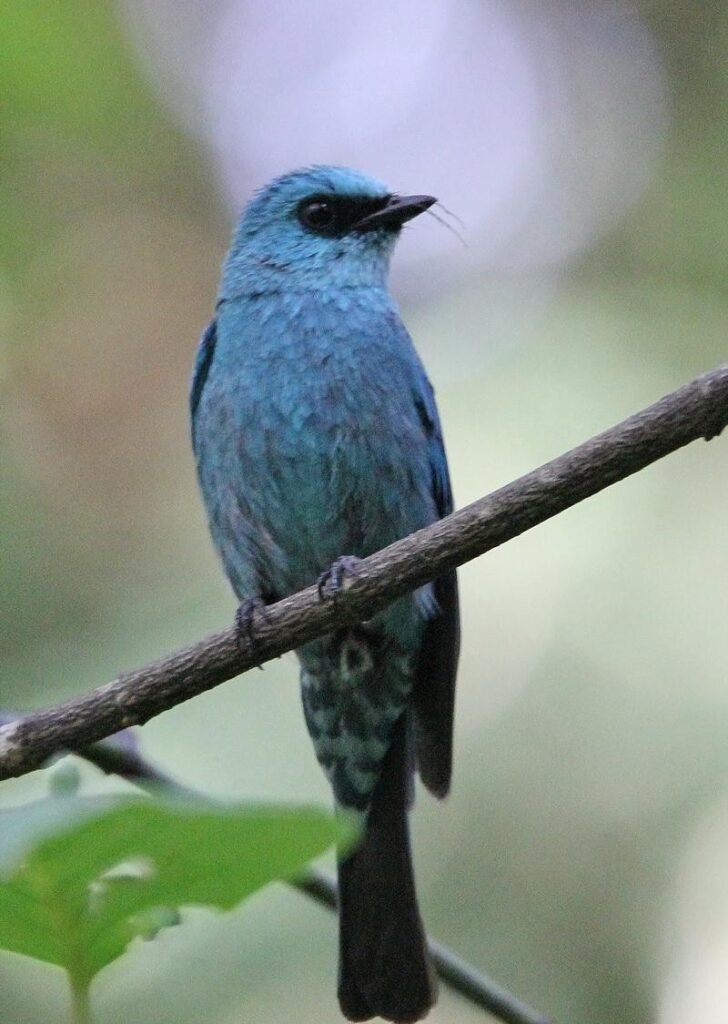
- Verditer Flycatcher
- Grey Bushchat
- Oriental Turtle Dove
- Koklass Pheasant (occasionally)
- Black-headed Jay
- Various woodpecker species
- Tits and warblers
The well-maintained forest trails allow visitors to move quietly beneath towering cedar trees while listening to continuous bird calls echoing through the valley.
Photography Tip: Soft morning light filtering through the forest creates excellent conditions for wildlife photography.
2. Dainkund Peak Area
The road leading to Dainkund Peak passes through beautiful forest patches before opening into panoramic mountain landscapes. This variation in habitat supports both woodland birds and species adapted to open mountain slopes.
Quick Information
| Detail | Information |
| Distance | Around 12 km from Dalhousie |
| Best Time | Early morning |
| Habitat | Forest edge and grassland |
| Difficulty | Moderate (short uphill walk) |
| Best For | Scenic birdwatching and landscapes |
Possible Sightings
- Himalayan Bulbul
- Grey Bushchat
- Black Drongo
- Verditer Flycatcher
- Various wagtails
- Raptors soaring above valleys
Besides birdwatching, Dainkund offers breathtaking Himalayan views, making it an ideal destination for travellers who enjoy combining nature observation with photography.
3. Khajjiar Meadows
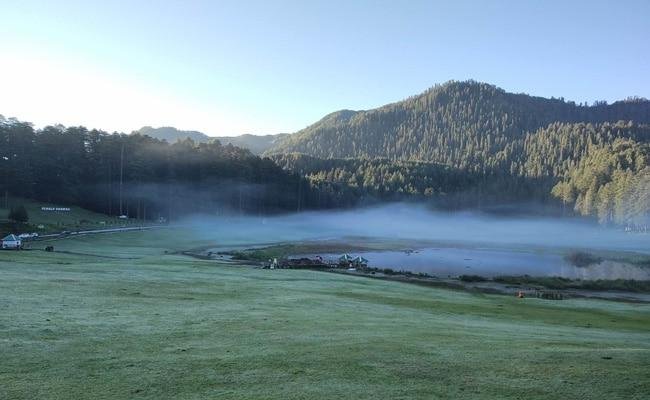
Often called the “Mini Switzerland of India,” Khajjiar is famous for its lush meadow surrounded by cedar forests. The combination of open grassland and woodland attracts a different mix of birds compared to Kalatop.
Quick Information
| Detail | Information |
| Distance | Approx. 22 km |
| Best Time | Morning and late afternoon |
| Habitat | Meadows and forest edge |
| Difficulty | Easy |
| Best For | Families and beginner birdwatchers |
Birds You May Spot
- Oriental Turtle Dove
- Black Drongo
- Grey Bushchat
- Himalayan Bulbul
- House Swift
- Various flycatchers during migration
The open landscape also makes Khajjiar one of the easier places for beginners to observe birds in flight.
4. Panchpula Surroundings
Although Panchpula is primarily known for its waterfalls and picnic spots, the quieter forested sections surrounding the main tourist area can be surprisingly productive for birdwatching, particularly during the early hours before crowds arrive.
Quick Information
| Detail | Information |
| Distance | Around 3 km |
| Best Time | Early morning |
| Habitat | Mixed woodland and streams |
| Difficulty | Easy |
| Best For | Short birding walks |
Typical Species
- Himalayan Bulbul
- Oriental Turtle Dove
- Verditer Flycatcher
- Black Drongo
- Small woodland songbirds
The sound of flowing water often combines beautifully with birdsong, creating one of the most relaxing natural settings around Dalhousie.
5. Forest Trails Near Dalhousie
Many lesser-used forest paths around Dalhousie pass through mature pine and cedar forests that support healthy bird populations. These trails are ideal for travellers looking to escape busy tourist areas.
Some excellent birding opportunities can be found along forest roads leading towards:
- Lakkar Mandi
- Kalatop approach road
- Upper Bakrota Hills
- Quiet woodland stretches around the cantonment area
These areas often reward patient observers with sightings that are missed in more crowded locations.
Common Himalayan Bird Species You May Spot
The forests around Dalhousie support a rich variety of resident and seasonal birds. While sightings depend on habitat, weather, altitude, and season, the following species are among those regularly reported from the region.
| Bird Species | Habitat | Best Season | Identification |
| Himalayan Bulbul | Forests & gardens | Year-round | Distinctive pointed crest and white cheeks |
| Verditer Flycatcher | Woodland edges | Spring–Autumn | Brilliant turquoise-blue plumage |
| Grey Bushchat | Meadows & open slopes | Spring–Autumn | Small grey bird often perched on shrubs |
| Black Drongo | Open clearings | Summer–Autumn | Glossy black body with forked tail |
| Oriental Turtle Dove | Forest edges | Year-round | Brown dove with striped neck patch |
| Koklass Pheasant | Dense forests | Seasonal and elusive | Secretive forest pheasant heard more often than seen |
| Black-headed Jay | Mixed forests | Year-round | Colourful jay with striking black crown |
| Rufous Sibia | Forest canopy | Spring–Summer | Warm rufous colouring with active feeding behaviour |
| Himalayan Woodpeckers | Mature forests | Throughout the year | Often identified by rhythmic drumming sounds |
Note: Species presence varies with season, habitat, elevation, and weather conditions. Wildlife sightings can never be guaranteed, and patience is an essential part of every birdwatching experience.
Birdwatcher’s Quick Observation Tips
✔ Focus on bird behaviour before colour.
✔ Listen carefully to calls and songs.
✔ Scan different forest levels—from the ground to the canopy.
✔ Stay on designated trails.
✔ Keep a respectful distance from all wildlife.
Bird Photography Tips in Dalhousie
One of the greatest joys of birdwatching in Dalhousie is capturing Himalayan birds against a backdrop of towering deodar forests, mist-covered hills, and dramatic mountain scenery. Whether you’re carrying a professional camera or simply using your smartphone, patience and good observation skills are far more important than expensive equipment.
Rather than trying to photograph every bird you see, spend a few moments observing its behaviour. Birds often return to the same perch, making it easier to anticipate the perfect shot without disturbing them. Early mornings also provide softer light, fewer harsh shadows, and increased bird activity, creating ideal conditions for wildlife photography.
Camera Settings for Bird Photography
The right settings can make a significant difference when photographing active birds in forest environments.
| Situation | Recommended Setting |
| Perched birds | Shutter Speed: 1/500–1/1000 sec |
| Birds in flight | Shutter Speed: 1/1600 sec or faster |
| Forest lighting | ISO 800–1600 depending on available light |
| Aperture | f/5.6–f/8 |
| Focus Mode | Continuous Autofocus (AF-C / AI Servo) |
| Drive Mode | Continuous Burst Shooting |
Mobile Photography Tips
Modern smartphones are capable of producing excellent wildlife photographs when used correctly.
- Avoid excessive digital zoom, which reduces image quality.
- Tap to focus on the bird’s eye whenever possible.
- Use natural morning or evening light.
- Hold your phone steady or use a compact tripod.
- Include part of the surrounding forest or landscape to provide context.
- Photograph birds behaving naturally instead of trying to force close-up shots.
Make the Most of the Golden Hours
The first two hours after sunrise and the final two hours before sunset provide the best lighting for bird photography. During these periods, warm sunlight enhances feather colours while birds are actively feeding and calling.
Composition Tips
- Leave space in front of the bird instead of cropping too tightly.
- Use natural branches, leaves, or flowers to frame the subject.
- Photograph birds at eye level whenever possible.
- Be patient and allow wildlife to approach naturally.
- Focus on behaviour—feeding, preening, or singing often creates more engaging images than static portraits.
Responsible Birdwatching and Wildlife Ethics
The forests around Dalhousie are home to delicate ecosystems where birds, mammals, insects, and native plants depend on one another. Responsible birdwatching ensures that visitors can enjoy these habitats without negatively affecting wildlife.
Birdwatching is most rewarding when birds behave naturally. Rather than seeking the closest possible view, experienced birders understand that observing from a respectful distance often results in better sightings and photographs.
Birdwatching Etiquette Every Visitor Should Follow
Respect Wildlife
- Observe birds quietly without approaching nests.
- Allow birds to feed, rest, and move freely.
- Never attempt to touch or capture wildlife.
Stay on Designated Trails
Remaining on established paths helps protect fragile vegetation while reducing disturbance to nesting birds and other wildlife.
Avoid Loud Noise
Speaking softly and avoiding sudden movements increases your chances of spotting shy Himalayan birds while maintaining a peaceful environment for everyone.
Never Feed Birds
Wild birds should always find their own natural food. Feeding them can alter their behaviour and negatively impact their health.
Do Not Use Recorded Bird Calls
Playing recorded bird songs to attract birds may disrupt breeding behaviour and territorial communication. Ethical birdwatching encourages observing wildlife without influencing its natural activities.
Leave No Trace
Carry reusable water bottles, avoid single-use plastics, and take all litter back with you. Even biodegradable waste should never be left inside forests.
Respect Forest Regulations
Protected areas such as Kalatop Wildlife Sanctuary have rules designed to conserve wildlife. Follow local guidelines regarding entry timings, designated trails, and restricted zones.
Responsible Birding Tip: The best birdwatchers leave nothing behind except footprints and take nothing away except memories and photographs.
Suggested One-Day Birdwatching Itinerary
If you have just one day to experience birdwatching in Dalhousie, planning your route carefully allows you to visit multiple habitats while enjoying some of the region’s most scenic locations.
| Time | Activity |
| 6:00 AM | Arrive at Kalatop Wildlife Sanctuary for early morning birdwatching. Listen for bird calls before entering the forest trails. |
| 8:30 AM | Enjoy breakfast after exploring the sanctuary. Review photographs and note the species you’ve observed. |
| 10:00 AM | Drive towards Dainkund Peak, stopping along forest edges where woodland birds are often active. |
| 12:30 PM | Return to Dalhousie for lunch and a short rest. |
| 2:30 PM | Visit Khajjiar Meadows to observe birds that prefer open grasslands and forest boundaries. |
| 4:30 PM | Explore the quieter surroundings of Panchpula for additional woodland sightings and nature photography. |
| 6:00 PM | End the day by organising your photographs and updating your bird checklist while enjoying the peaceful mountain atmosphere. |
This itinerary balances forest birding, scenic drives, photography opportunities, and relaxed breaks without rushing between locations.
Birdwatching Packing Checklist
Preparing the right equipment ensures a more enjoyable and comfortable birdwatching experience.
| Essential Items | Recommended Extras |
| Binoculars (8×42 or 10×42) | Telephoto camera lens |
| Comfortable walking shoes | Lightweight tripod |
| Water bottle | Bird field guide |
| Weather-appropriate clothing | Notebook or birding journal |
| Sun cap | Portable power bank |
| Rain jacket (seasonal) | Lens cleaning cloth |
| Small backpack | Snacks for longer walks |
Choose clothing in neutral shades such as green, brown, or grey, as bright colours may startle wildlife.
Where to Stay for Nature Lovers
A successful birdwatching trip often begins before sunrise, making your choice of accommodation an important part of the overall experience. Staying in peaceful surroundings close to nature allows you to start early, enjoy quieter mornings, and spend more time exploring Dalhousie’s forests instead of travelling long distances.
For travellers seeking comfort without losing touch with nature, EVA Cabins offers an inviting retreat surrounded by fresh mountain air and scenic forest landscapes. Its convenient location provides easy access to birdwatching destinations such as Kalatop Wildlife Sanctuary, Khajjiar, Dainkund Peak, and Panchpula, making it a practical base for wildlife enthusiasts, photographers, and nature lovers alike.
Whether you’re setting out with binoculars at dawn, returning after a rewarding day on the trails, or simply relaxing while listening to birdsong from your cabin, staying amidst nature adds a memorable dimension to your Himalayan getaway.
Conclusion
Beyond its colonial charm and panoramic viewpoints, Dalhousie offers a quieter, more intimate connection with the Himalayas through its remarkable birdlife. From the dense deodar forests of Kalatop Wildlife Sanctuary to the open meadows of Khajjiar and the peaceful trails around Dainkund and Panchpula, every landscape provides an opportunity to observe Himalayan birds in their natural habitat.
Whether you’re identifying your first Verditer Flycatcher, listening to the melodious calls of the Himalayan Bulbul, or patiently waiting to spot the elusive Koklass Pheasant, birdwatching in Dalhousie is an experience that combines relaxation, learning, and a deeper appreciation for nature. Since bird activity changes with the seasons, weather, and habitat, every visit offers something new, making the region rewarding for both first-time visitors and experienced birders.
Most importantly, responsible birdwatching ensures these forests continue to thrive for future generations. By respecting wildlife, staying on designated trails, avoiding disturbance to nesting birds, and leaving no trace behind, visitors become partners in conserving one of Himachal Pradesh’s most beautiful natural environments.
If you’re looking for a peaceful mountain escape that goes beyond sightseeing, birdwatching in Dalhousie offers unforgettable moments filled with birdsong, breathtaking scenery, and meaningful encounters with Himalayan wildlife.
Frequently Asked Questions
1. Is birdwatching in Dalhousie suitable for beginners?
Yes. Dalhousie is an excellent destination for beginners thanks to its accessible forest trails, peaceful surroundings, and variety of easily observable Himalayan bird species.
2. What is the best season for birdwatching in Dalhousie?
Spring (March to April), summer (May to June), and autumn (October to November) generally offer the best birdwatching conditions, with pleasant weather and increased bird activity.
3. Which is the best birdwatching location in Dalhousie?
Kalatop Wildlife Sanctuary is widely regarded as the best birdwatching destination near Dalhousie because of its rich biodiversity, mature deodar forests, and excellent network of walking trails.
4. Can I see the Himalayan Monal in Dalhousie?
Although the Himalayan Monal is Himachal Pradesh’s state bird, it is usually found at higher elevations. It is not considered a regular sighting around Dalhousie, where species such as the Himalayan Bulbul, Verditer Flycatcher, Black-headed Jay, Grey Bushchat, and Koklass Pheasant are more commonly observed.
5. Do I need binoculars for birdwatching?
Binoculars are highly recommended. A good pair of 8×42 or 10×42 binoculars provides clear views while allowing you to observe birds from a safe distance.
6. Is Kalatop Wildlife Sanctuary suitable for bird photography?
Yes. The sanctuary’s dense forests, natural lighting, and diverse birdlife make it one of the finest bird photography locations in the Chamba region.
7. What time of day is best for birdwatching?
Early morning, from sunrise until around 9:00 AM, is generally the most productive period because birds are actively feeding and singing.
8. Can children enjoy birdwatching?
Absolutely. Birdwatching encourages curiosity about nature and can be a fun educational activity for children when combined with short forest walks.
9. Are guided birdwatching tours available?
Nature walks and birdwatching experiences may be available through local guides or naturalists during the tourist season. It’s advisable to check with local tourism operators before your visit.
10. Is birdwatching possible during the monsoon?
Yes, although rain and mist can reduce visibility. Always check weather forecasts and local travel advisories before entering forest areas during the rainy season.
11. Can I combine birdwatching with trekking?
Yes. Trails around Kalatop Wildlife Sanctuary, Dainkund Peak, and nearby forest paths offer excellent opportunities to combine easy trekking with birdwatching.
12. How can I practice responsible birdwatching?
Maintain a respectful distance from birds, avoid using recorded bird calls, never disturb nests or feed wildlife, stay on marked trails, and carry back all your waste.
Plan Your Birdwatching Escape with EVA Cabins
The best birdwatching adventures begin with peaceful mornings surrounded by nature. Staying close to Dalhousie’s forests allows you to head out at sunrise—when Himalayan birds are most active—and return to a comfortable retreat after a rewarding day of exploration.
At EVA Cabins, you’ll find private cabins nestled amidst fresh mountain air and scenic forest surroundings, providing easy access to Kalatop Wildlife Sanctuary, Khajjiar, Dainkund Peak, Panchpula, and other popular birdwatching locations. Whether you’re planning a dedicated birding holiday, a wildlife photography expedition, or simply a relaxing nature retreat, EVA Cabins offers the perfect balance of comfort, tranquillity, and proximity to Dalhousie’s rich natural heritage.
Wake up to the sounds of birdsong, spend your days exploring Himalayan forests, and unwind each evening in a peaceful cabin surrounded by nature. It’s the perfect way to experience birdwatching in Dalhousie while creating unforgettable memories in one of Himachal Pradesh’s most scenic destinations.